3 minutes ago
Adoption of inefficient dogs increases their presence in the capital
Periskopi(2 years ago)
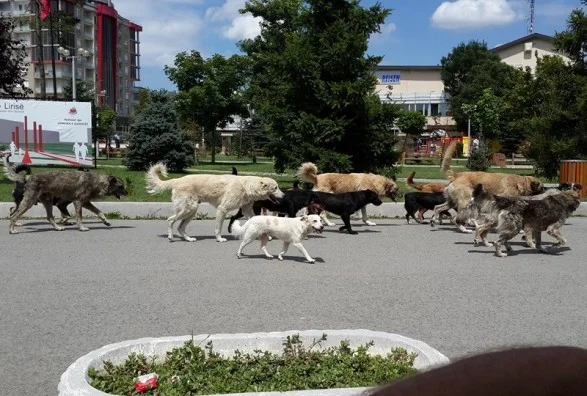
(2 years ago)The Animal Rights Foundation has announced that in April 2024 the estimated number of stray dogs in Pristina is 4351, meanwhile, in April last year was 3772. At the beginning of April 2024, our organisation conducted the next survey for the dynamic of the population of stray dogs in [...]
“Early April 2024, our organisation has conducted the next survey for the dynamic of the population of stray dogs in Pristina to understand the effect of the KSVL project implemented by the Pristina Community during 2023. According to data collected by this survey, the estimated number of stray dogs in Pristina has been estimated at 4351 in April 2024. This number shows an increase from the same period from last year, when we counted 3772 road dogs in the Pristina municipality. ”
The FDK has said the total percentage of sterilisation has suffered decline compared to last year.
“The total percentage of sterilization has marked a decline compared to last year: This year 56,1.8% of the dogs identified on the street were castled/sterilized, compared to 58,61% in the spring of 2023 and 59,92% in the fall of 2022. ”
Recent data shows that the measures taken by the municipality for management of the dog population have had a reggressive effect on the control of dog reproduction on the street. ”
Pristina's municipality's decision to adopt wandering dogs, where the foundation calls it ineffective.
“As far as promoting the adoption initiative of stray dogs from the Pristina municipality, in exchange for monetary benefits, can be calculated as ineffective initiative, which has not impacted the number of stray dogs in Pristina at all. In terms of this initiative, our organisation has initially seen this measure as wrong and inefficient and that the amount of 50 euros per month be dedicated to the castrimin/scillation of dogs with holders/owners and to support the identification of & container/owner dogs to prevent the growth of dogs on the street from abandoning Pristina's municipality. However, the municipality has decided not to accept civil society councils, which are constantly critical of “minus help in solving the problem with wandering dogs”.
The “is once again proven that our institutions are not focusing on the sources of this problem (owned, breeding and abandoning) and any measures under way to prevent reproduction are done without requiring serious work by operators and not including civil society in monitoring and assessment of such projects, for the benefit of projects and the situation.
The organisation has called on institutions responsible for working intensively and seriously in implementing the National Strategy measures, “the only way to reduce the number of dogs on the road in a stable and effective manner”.