a few seconds ago
Weber: It would be difficult for the EC not to vote for Kosovo if the government resolves the monastery issue
Periskopi(2 years ago)
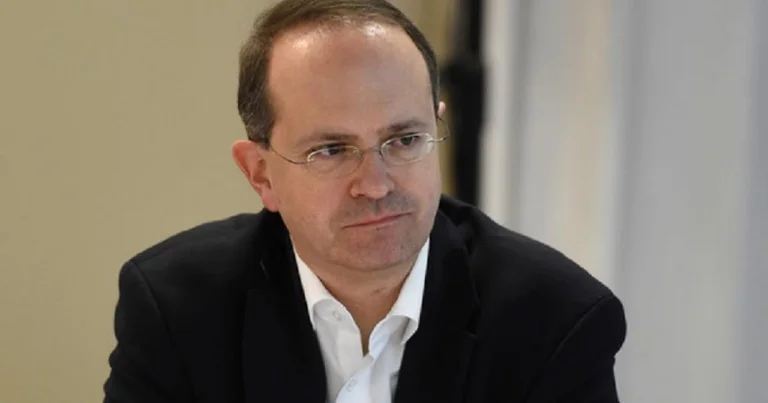
(2 years ago)Bodo Weber, senior associate of the Council for Democracy Policy in Berlin, says the issue of property returns to the Decani Monastery should be considered exclusively technical, because it is about rule of law. It's an issue that doesn't make sense to politicise, no matter what politicians think about it. There is one [...]
Bodo Weber, senior associate of the Council for Democracy Policy in Berlin, says the issue of property returns to the Decani Monastery should be considered exclusively technical, because it is about rule of law.
It's an issue that doesn't make sense to politicise, no matter what politicians think about it. It is a final decision and, in fact, when we talk about Kosovo's application to the Council of Europe, it is a kind of direct condition”, Weber has said about Radio Free Europe.
He says the issue of the Decani Monastery is cited as an obstacle even in reports of experts and MPs in the Council of Europe.
It would be a positive sign, adds Weber, if the Kosovo government now resolved the issue of implementing the Constitutional Court's decision on the Orthodox Monastery case.
Then it would be really hard for member states, especially those who support independent Kosovo, not to vote positively on Kosovo's application. It is difficult to predict what the outcome of voting would be in that context, when we have the dialogue deadlock [for normalising relations between Kosovo and Serbia]. But, Kosovo would certainly improve its position if it finally applied the decision to the Decani Monastery”, says Weber.
Are there other conditions?
Weber does not rule out the possibility that the Council of Europe member states do not base their decision on Kosovo's accession to this organisation only under technical conditions, but on “political motivation”.
The US State Department stated in early February that Kosovo's unilateral movements limit the possibilities for the United States to lobby for Kosovo on the international stage.
He reacted this way after the Kosovo government ignored Western states' calls for the suspension of the Kosovo Central Bank regulation, which removes the Serbian dinar from circulation.
The international community thinks this regulation negatively affects the Serb community in Kosovo, which receives revenue from Serbia's budget.
Weber believes such moves by the Government of Kosovo could negatively affect Kosovo's membership in the Council of Europe.
He adds that this issue could be conditioned with progress in Kosovo's dialogue with Serbia and implementation of the Agreement on normalising relations, which the two sides agreed to last year, with the European Union's proposal.
“He [dialogu] is related to this, because Kosovo needs the support of most members of the Council of Ministers of the Council of Europe”, Weber estimates.
Serbia, which does not recognise Kosovo's independence, has warned earlier that it will try to prevent Kosovo's accession to the Council of Europe, even though with the Agreement on normalising relations it has agreed not to block Kosovo's membership in international organisations.