a few seconds ago
Planes that guaranteed NATO success
Periskopi(2 years ago)
(2 years ago)Having numerous member states and planes available, a 2000 NATO report mentions three types of planes that have played a key role in the success of Yugoslavia's shelling. The drones were also used in the air campaign. Next are three models that are described as key to success by NATO. [...]
Having numerous member states and planes available, a 2000 NATO report mentions three types of planes that have played a key role in the success of Yugoslavia's shelling.
The drones were also used in the air campaign.
Next are three models that are described as key to success by NATO.
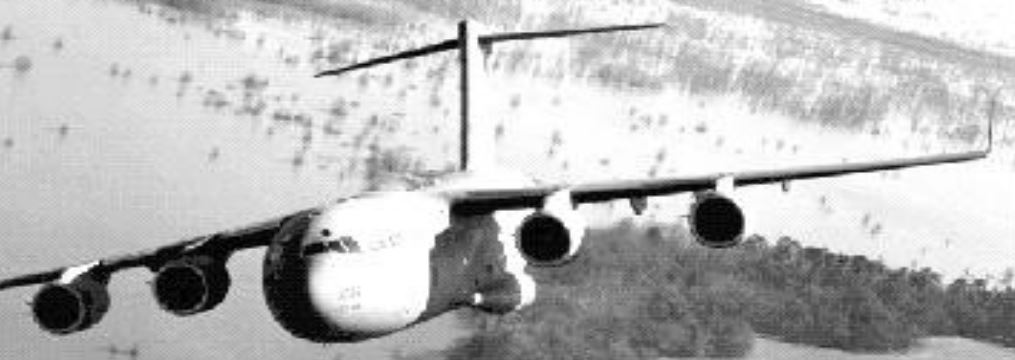
C-17 is a high-wing military transport aircraft, with four engines, with a T-tail, which can transport equipment, supplies and troops directly to small air fields, on solid terrain anywhere in the world.
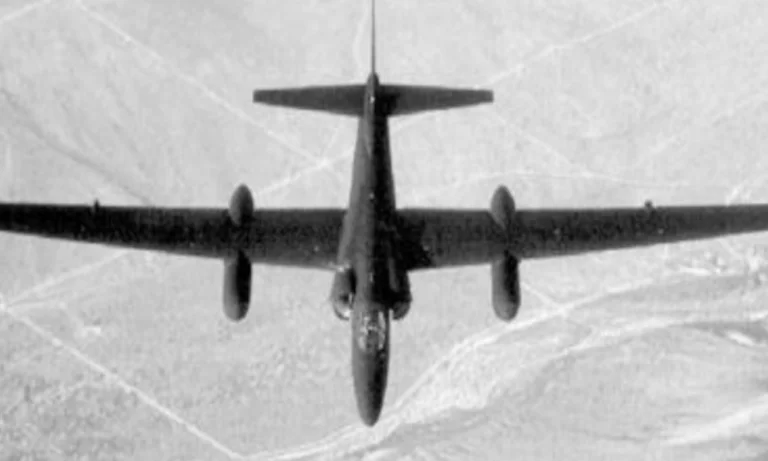
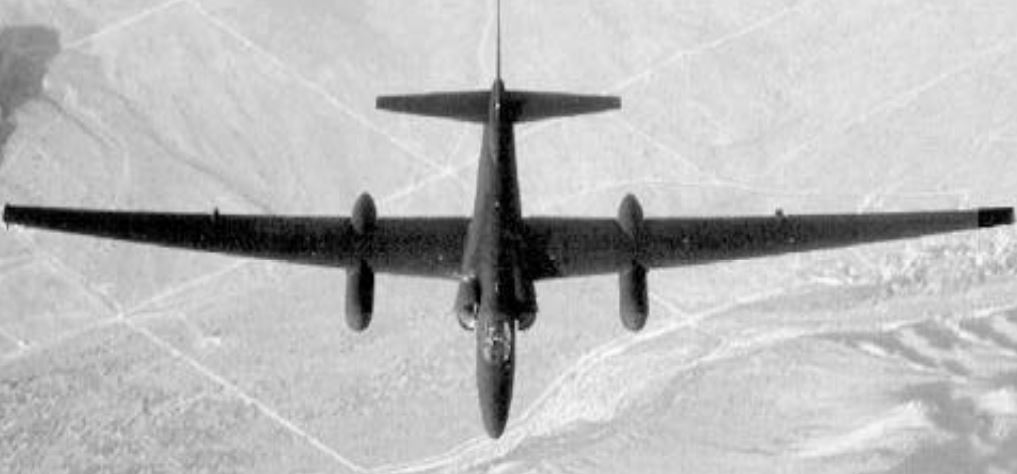
U-2, Iron Claude is an airplane with a pilot with many roles that can take photographic or radar images as well as monitor enemy communication and find the sources of electronic signals.
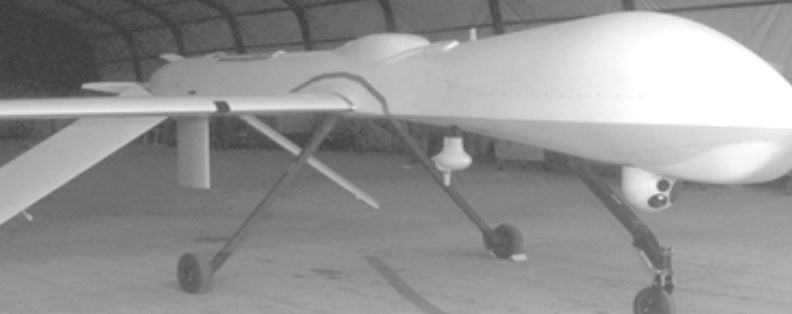
Aircraft Without a Pilot ( U) It enabled NATO commanders to see the situation on the ground without appearing or putting air crews at risk and providing continued coverage of important areas, reports the relief.
After 78 days of attacks, the bombings were suspended on June 10th 1999, with the Kumanovo Technical Agreement envisioning the withdrawal of all Serbian military and police forces from Kosovo. The agreement was followed by the approval of UN Security Council Resolution 1244.
This resolution was a compromise of five permanent Security Council member states, under which a United Nations administration UNMIK administration was deployed in Kosovo, which managed the transitional phase until the establishment of local institutions and the permanent resolution of Kosovo's status.
On June 12th 1999, the deployment of about 50,000 soldiers from 36 countries worldwide, out of which 30,000 were from NATO countries.
KFOR is present today and cares for Kosovo's security.