8 minutes ago
PDK: Kurti government has failed to ensure national security
Periskopi(2 years ago)
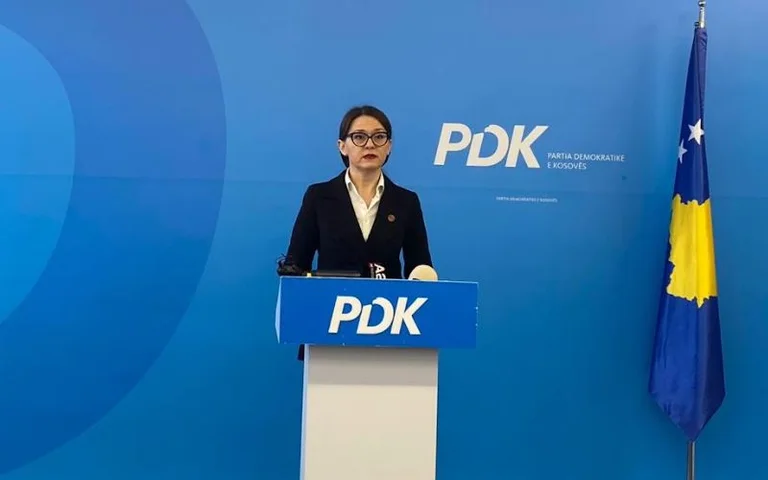
(2 years ago)Department for Protection and National Security co-ordinator in the PDK's Cabinet for Good Governance, Besa Kabashi-Ramaj, has criticised the Kurti Government for lack of vision and skills in ensuring national security and sustainable defence management. Kabashi-Ramaj, at a media conference, has stressed that this Government has considerable shortcomings in it [...]
Department for Protection and National Security co-ordinator in the PDK's Cabinet for Good Governance, Besa Kabashi-Ramaj, has criticised the Kurti Government for lack of vision and skills in ensuring national security and sustainable defence management.
Kabashi-Ramaj, at a media conference, has stressed that this Government has significant shortcomings in understanding strategic partnerships, especially with the US.
The government has repeatedly failed to respond effectively to Serbian provocations and threats, countering the Russian hybrid war and managing internal security issues, including integration of security and defence institutions, increased national sustainability and improved emergency management and early warning systems”, she said.
She estimated that drafting the national security strategy has been severely damaged by outdated security estimates, lack of mowing and poor prioritisation.
The <x0 legislative initiatives such as the Military Intelligence Bill and the National Security Council bill show significant shortcomings, showing a disregard for existing structures and an alarming approach to the dissolution of existing institutions and the reconstruction from the front. The PDK aims to develop a visionary national security and defence platform for the next 10 to 20 years, focusing on vision, knowledge, competence and innovation, useful to all citizens. Our goal is to create a secure, angile and strategically positioned Republic of Kosovo and capable of countering new threats”, Kabashi-Ramaj stressed.
It has recommended that the entire draft law for the Council of Security of the Republic of Kosovo be revised because, according to it, risks disassociating existing legal structures, leading to the loss of institutional memory and potentially violating workers' rights because it could give the prime minister excessive control.
The detailed “Structure can bring bureaucratic obstacles, especially in emergencies. Rare meetings could hinder timely responses to security threats. Legal inequities may arise from doubling with existing laws and abolishing the previous law. The limited mandate for the General Director could negatively affect strategic planning and stability. Disciplinary sanctions in the bill may be subject to misuse or subjective application”, the Department for Protection and National Security Co-ordinator in the CEC stressed.
As far as the Military Intelligence Bill is concerned, Kabashi-Ramaj said the mission's statement lacks clarity, leading to confusion about the agency's goals.
“The reporting structure is flawed, failing to properly position the KSF in the chain of command. Authorisation of force use is controversial and potentially inappropriate. Deposits of surveillance within the country's borders may violate civil liberties. There are doubles with tasks already AKI. Disfellowshipping the Special Operations budget from standard financial regulations raises concerns for transparency”, she stressed.
Kabashi-Ramaj said Kosovo is of its citizens, and as such deserves a secure and hopeful future.
National security, a vital issue, is endangered by current government policies. Urgent action is needed to prevent further damage to Kosovo's security”, it concluded.