4 minutes ago
OEK Chairman: Businesses Taking Workers From Bangladesh and India, Kosovo Are Viewing Transit Country for EU Countries
Periskopi(2 years ago)
(2 years ago)Businesses in the country are starting to hire workers from abroad because of a lack of workforce. This has been made known for Online Economy, the chairman of the Kosovo Economic Chamber (OEK), Lulzim Rafuna. Rafuna says that businesses are starting to pick up workers from distant lands, such as Bangladesh, India, and Nepal, but that [...]
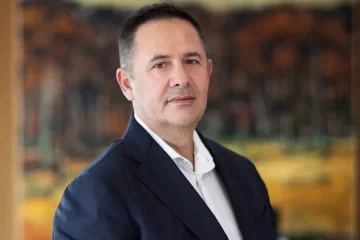
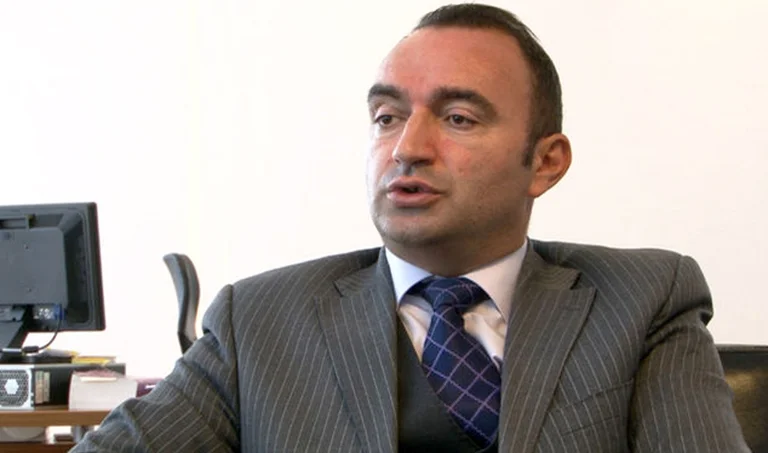
Businesses in the country are starting to hire workers from abroad because of a lack of workforce. This has been made known for Online Economy, the chairman of the Kosovo Economic Chamber (OEK), Lulzim Rafuna.
Rafuna says businesses have started taking workers from faraway countries, such as Bangladesh, India and Nepal, but is presenting a certainty that those workers will stay in Kosovo for a long time.
Rafuna says these workers who come from these states are seeing Kosovo as a transitor country to leave in the more developed countries.
This is a challenge that is accompanying the private sector. Now we're in the third year, especially has been pronounced in the last two years, as the full years of 2022-2023 but 2021 is not excluded, this is a challenge that follows. The biggest challenge at the moment, even when we do analysis with members of the Economic Endeavour lack of workers is presented as the biggest challenge even lack of qualified and disqualified workforce, despite having undertaken business measures as I said to ease this lack of workforce between technology equipment investments, it is presenting additional costs to businesses, and the importation of the workforce from other countries especially from Bangladesh, India, and so on it does not present a certainty that workers will stay in Kosovo, they are usually looking at it as a transit country, and until they find another opportunity to exit the European Union's (4)Fif, while mentioning the improvement of jobs and workers.
Rafuna is also critical of institutions for lack of action to halt migration. He says the government must draft a plan to stop young people from leaving Kosovo.
“... so this remains the biggest challenge for the private sector, despite moving in terms of pay and other conditions, and for this I'm very happy whether it's the ideal it's not, but I still have to put the emphasis on the country's institutions here, but it's also very surprising that it's not bringing a strategy or an action plan at least since trying to stop young people from going out and trying to get us out without Kosovo as an opportunity or with a good future here, Rafuna said. / EO/