19 minutes ago
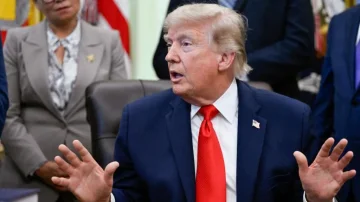
Medvedev threatens NATO officials following Russian General's assassination
Periskopi(a year ago)
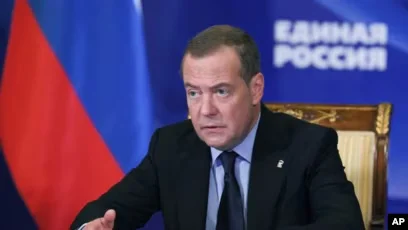
(a year ago)Russia's Security Council Deputy Chairman Dmitry Medvedev has charged them NATO and officials from the Ukrainian allies in its fight against Russian invading troops are involved in this conflict. He has said it makes them a legal military target “”. Responding to an editorial in the Times newspaper, [...]
He has said it makes them a legal military target “”.
Responding to an editorial in the Times, in which the killing of a senior Russian general on December 17th was named as the legal “defence action by a nation threatened”, Medvedev said Moscow should use the same logic in its stance.
In her writing, the Times said that the general's murder was “the attack on an aggressor” and that it underscores the need for Western governments to give Ukraine “all the support it needs to make the fair fight for self-defence”.
“All NATO countries officials involved in decisions for military assistance to Ukraine and those participating in the hybrid or conventional war against Russia are now considered legitimate military targets for the Russian state and for all Russian patriots”, Medvedev wrote in a response.
Asked about Medvedev's comments, the NATO press office responded by email saying: “
Lieutenant General Igor Kirillov, head of Russia's Nuclear, Biological and Chemical Defence Forces, and his assistant were killed by a hidden bomb in a scooter near the entrance of a building in Moscow in the early hours of December 17th.
Kirillov is among several Russian officers and pro-war figures killed in Russia and in areas occupied by Russia in Ukraine.
A week ago, he was killed by gun to death near the capital, a senior official of a Russian company developing rockets used by Moscow in war.
Medvedev's rhetoric stems from the recent cremination of the Kremlin for blaming “forts” Western for antirus actions worldwide and for sabotage acts and “terrorism” in Russia.
US State Department spokesman Matthew Miller said on December 17th that the United States was not involved in the Kirillov assassination, nor were they aware of it in advance.
Russian investigators named the assassination a <x0-terrorist attack” and immediately attributed it to Ukrainian intelligence.
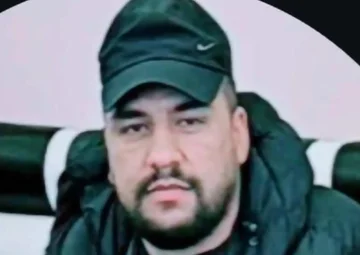
On December 18th, Russia's Federal Security Service (FSB) said it banned a suspected 29-year-old Uzbek citizen, who has not been identified by name in connection with the case.
Medvedev also threatened with revenge journalists from the Times, warning in dark tones that this newspaper could be included in their <x0) list of legitimate military units”, adding that the “in London many things happen... be careful”.
This warning appears to be an indirect reference to the radiation poisoning of former FSB officer and Kremlin critic Alexandr Litvinenko in London in 2006, as well as to the attempted murder of former Russian intelligence officer Sergei Scripal in the British town of Salisbury with a deadly nervous agent in 2018. /REL