3 minutes ago
Progress Report expected to ask Kosovo, Serbia urgent implementation of agreements
Periskopi(2 years ago)
(2 years ago)The European Commission will demand from Kosovo and Serbia that, without delay, take steps in implementing the Agreement towards normalising their relations, known as the Ohrid Agreement, as well as other obligations, stemming from the dialogue process. This message is included in drafts of Progress Reports as [...]
The European Commission will demand from Kosovo and Serbia that, without delay, take steps in implementing the Agreement towards normalising their relations, known as the Ohrid Agreement, as well as other obligations, stemming from the dialogue process.
This message is included in drafts of Progress Reports for both Kosovo and Serbia, which will be adopted in Brussels at the end of this month.
Radio Free Europe was informed of their texts, in which both sides are reminded that their journey towards the EU is conditional on the process of normalising their reports, which is now also formally binding on both countries.
The draft reports say Kosovo and Serbia have participated in dialogue, but are required to demonstrate more seriously and more constructively commitment to move forward.
Kosovo and Serbia are required to avoid stimulating actions and rhetoric, endangering stability and not comply with dialogue and reconciliation.
As an obstacle to the normalisation process, Serbia's lack of steps to bring to justice the leaders of attacks on the Kosovo Police in Banjsk, but also the lack of concrete steps by Kosovo to launch the procedure for establishing the Association of Major Serb municipalities in Kosovo.
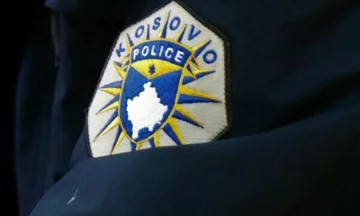
The process of normalisation [of relations] continues to be affected by Serbia's lack of sufficient steps on the part of ensuring responsibility and bringing to justice those responsible for the violent attacks by Kosovo Serbs armed to the Kosovo Police on 24 September, 2023, in Banjska, which were the worst escalation in the last years”, says in this draft document.
It requires that Serbia fully co-operate and take necessary measures to capture and bring to justice the perpetrators of these attacks.
The report estimates that tensions in northern Kosovo -- the Serb-run populated area -- remain high and criticisms against Kosovo authorities are repeated over what are termed “uncoordinated actions”, which are said to have provoked tensions.
Continued boycotting Kosovo institutions on the part of Serbs is seen as Serbia's “serious setback in implementing obligations from dialogue”.
The European Commission requires that parties in the dialogue respect the Agreement for official visits, enable the visit of chief negotiators to the territory of each other, as well as Kosovo's participation in regional initiatives.
It is also called for the functioning of regional initiatives not to be influenced by bilateral disagreements between Kosovo and Serbia.
The European Commission, with this annual document, also calls on Kosovo to initiate the procedure for establishing the Association of Serb majority municipalities.
It requires that it be the basis for this to be the draft status proposed by several European countries, which has been handed over to the parties in October 2023.
This proposal, said the report, is based on the best European examples and is in line with the Kosovo Constitution.
Meanwhile, for the proposal that has been submitted on the part of the management team, composed of Kosovo Serbs, it is said that it has not been in line with dialogue agreements, so it requires that exactly what is called “European proposal” be taken into account.
In the draft report for Serbia, obligations for implementation of the Agreement on the road to normalisation of reports are part of the formal negotiating framework for Serbia's EU membership, chapter 35.
So for Serbia, chapter 23, which concerns rule of law, and normalisation of reports with Kosovo will condition the dynamic of its entire EU integration process.
The enlargement package and Progress Reports for ten countries in the process will be approved at the European Commission meeting Wednesday on October 30th in Brussels.
It will be this last package approved by this composition of the European Commission, as soon the new five-year mandate will launch the Commission with new composition. /REL/