13 minutes ago
Kosovo host, KFOR marched with over 800 soldiers for” D ANCON”
Periskopi(2 years ago)
(2 years ago)Today, the Danish contingent of the NATO-led KFOR mission organised “D ANCON March”, a tradition of the Danish Armed Forces dating back to 1972 to honour injured veterans. More than 800 soldiers serving in the NATO-led KFOR mission participated in the march. “The challenge consisted of [...]
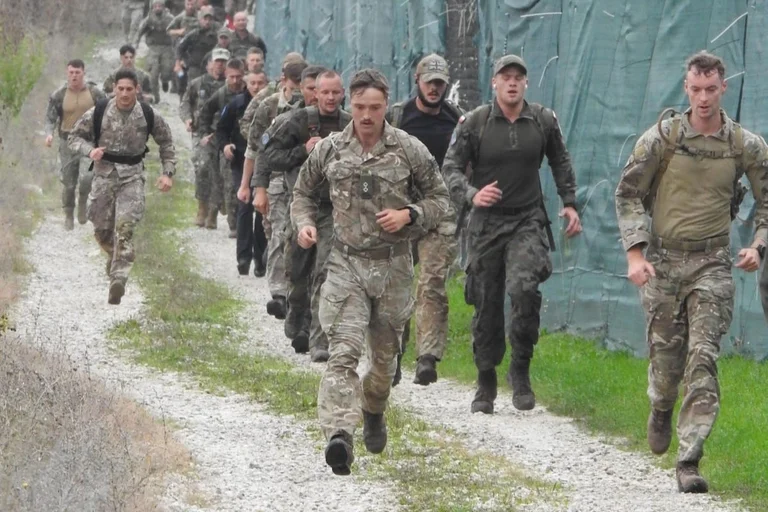
Today, the Danish contingent of the NATO-led KFOR mission organised “D ANCON March”, a tradition of the Danish Armed Forces dating back to 1972 to honour injured veterans.
More than 800 soldiers serving in the NATO-led KFOR mission participated in the march.
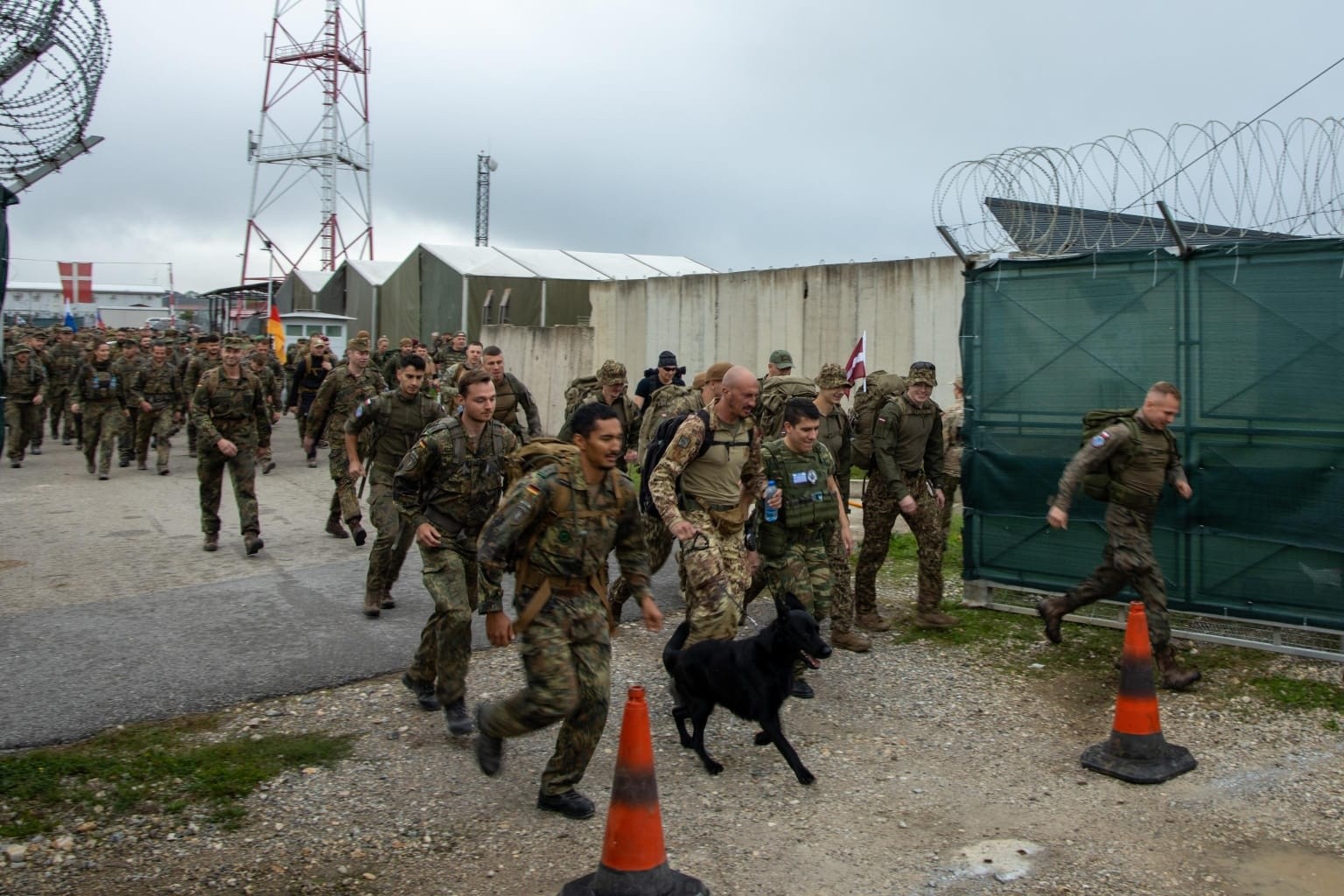
“The challenge consisted of a 17km field march, where individuals carried a 10kg burden.
The road began from the Novo Selo camp in Majunaj, moving to the hills and beautiful villages nearby and ending at the starting point. It was an excellent opportunity for participants to support a good cause, raising funds for injured Danish veterans. The first racer completed the course in just less than an hour and a half of a mile [-0.850 m].
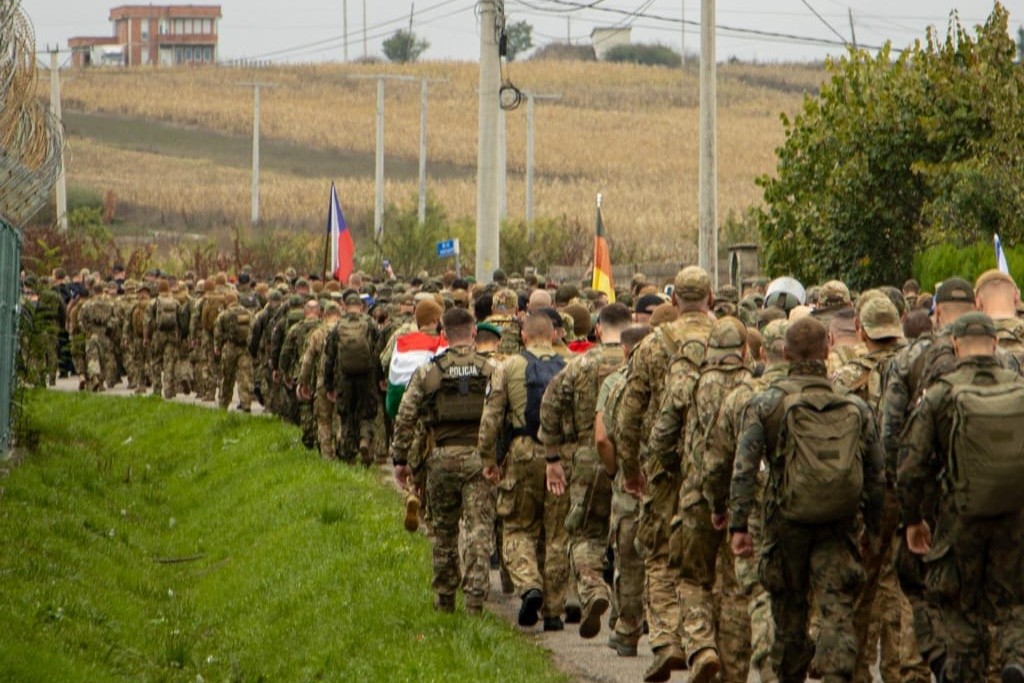
DNCON March is a march organised by Denmark's Armed Forces, traditionally held by Danish soldiers serving abroad in peacekeeping and military missions.
” DANCON” is short for “Dish Contingent” (Denez Convention).
This march was held for the first time in 1972, and since then it has been a known activity not only for Danish troops but also for soldiers of other countries joining international missions.
The march usually covers a distance of 25 miles [25 km], and participants pass it with military equipment, often with a certain weight on their backs. For many soldiers, the march is a test of physical and moral sustainability, but it also has a symbolic element of unity and solidarity among soldiers serving in tense or dangerous areas.
Besides Kosovo, DACSON March has developed in various countries such as Afghanistan, Lebanon and other areas where Danish troops have been deployed.
KFOR is the third security reacter, behind the Kosovo Police and the EU Law Rule Mission (EULEX), with which they work in close co-ordination respectively.