9 minutes ago
What after the removal of the dinar in Kosovo?
Periskopi(2 years ago)
(2 years ago)Jadranka from Northern Mitrovica fears she will no longer be able to get the pension in Kosovo, but that she will have to go to the border city of Serbia every month. I don't know who's guilty, but to become such a thing...
Jadranka from Northern Mitrovica fears she will no longer be able to get the pension in Kosovo, but that she will have to go to the border city of Serbia every month.
“I don't know who's guilty, but to become such a thing... I don't know, I don't have words”, says this northern Kosovo resident, who gets the pension in dinars from Serbia's budget.
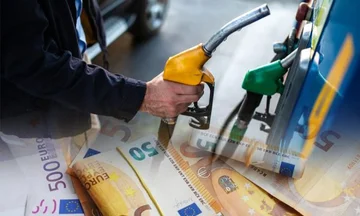
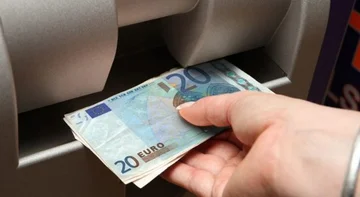
On January 17th, the Kosovo Central Bank (BQK) announced that on February 1st, the only currency for cash payments in Kosovo will be the euro.
But this raises the question of how workers' salaries will be paid in Kosovo's Serbian institutions, separated from Serbia's budget, then pensions, additions to children or social assistance.
The Serbian list ) the largest party of Serbs in Kosovo said the removal of the dinar means the Serb “depart without the use of weapons”.
“After all forms of institutional violence used against the Serbian people by the authoritarian regime of [Kosovo Prime Minister Albin] Kurti and after failing to expel all Serbs from Kosovo, he now decided to stop the dinar in Kosovo and thus directly threaten the physical survival of the Serbian people”, the Serbian List said in response.
According to Kosovo Deputy Prime Minister Besnik Bislimi, the particular importance of the BEC regulation lies in determining the currency allowed to be used in all bank and nonbank transactions in Kosovo, which in this case is the euro.
“Each of the citizens of the Republic of Kosovo that has acted contrary to this has been on the other side of the lawbreaker”, Bislimi wrote on Facebook.
He said the BEC regulation “is not the product of political negotiations in Brussels”, and as such, “does not have the impact on the prosperity of” of the normalisation of reports between Kosovo and Serbia.
“Transparability to import foreign currency, convert it into euros and transfer it to final beneficiaries has no chance to affect either the management of eventual benefit supplies or the reduction of their purchasing power”, according to Bislim.
“Insisting that, even further, transfer of money across the state border is made and tolerated in a non-unilateral way, with sacks and individual cars, and then distributed through unregistered and unlicensed offices, not only similar in 19th century ideas, but also aimed at keeping citizens profitable in illegality and constant dependence on the same sexier”, the Kosovo deputy prime minister said.
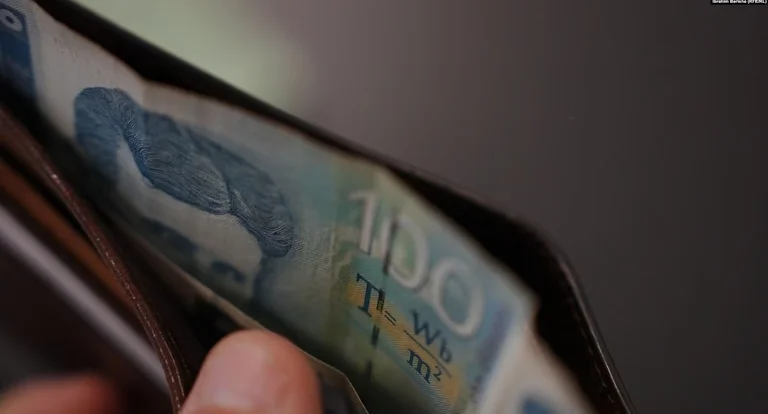
So far, Serbia's official currency ʹ has been able to be used in commercial objects in all majority Serb areas in Kosovo.
For Mirjan, retired from North Mitrovica, the news that he will no longer be able to use is the horrid “” and “another form of pressure”.
Money input only through Kosovo Central Bank
The BQK regulations say that import and export of euro currency and metal coins and other currency in Kosovo will be its exclusive right.
So far, dinars have entered from Serbia to Kosovo through the People's Bank of Serbia, which has a safe in the Leposaviq Serb majority municipality in northern Kosovo. That money, then, was transported to the money transport company “Henderson”.
The CEC's regulation also stresses that other currency, which is not euro, can only be used in Kosovo as value stored in physical form or in non-euro currency bank accounts. International payments can also be carried out in different currency from the euro.
“The exchange of currency in the Republic of Kosovo can only be done through institutions that are licensed by the Central Bank of Kosovo and which offer the service”, the regulation said.
So far, dinars in Kosovo have used Serbia's Post Savings, the NLB Commercial Bank and Serbia's Posta public company.
Without any accounts at Kosovo banks
Milivolo from North Mitrovica has no accounts at any Kosovo bank and reports that the dinar will be removed and considers it “catastrophic”.
[Serbia's] state must undertake something urgently. And this is the end of the story”, he says.
His fellow citizen, Goran, has received his wages in dinars so far. He says Kosovo and Serbia should find a solution so that ordinary people do not suffer the consequences.
Everything has been made clear to us since the Commercial Bank stopped working. As far as we know, and as we're informed, she has no license to circulate dinars. We've had this clear for a long time. That whose game it is, I don't know”, Gorani says.
At the end of December last year, clients of the National Bank of Serbia, NLB, it has been announced that their accounts will be carried to one of Serbia's cities, due to the closure of its branches in Kosovo.
Free Europe Radio has seen messages NLB has sent to clients in Kosovo. This bank did not answer the REL's question about why it has decided to close its branches in the majority Serb facilities in Kosovo.
Those with NLB accounts in Gracanica near Pristina have reported that by January 31st 2024, their accounts will be transferred to Serbia's Kursumli, while service contracts, account numbers and payment cards will not be changed.