4 minutes ago
Kirby: Washington's approach to Balkan region has not changed
Periskopi(2 years ago)
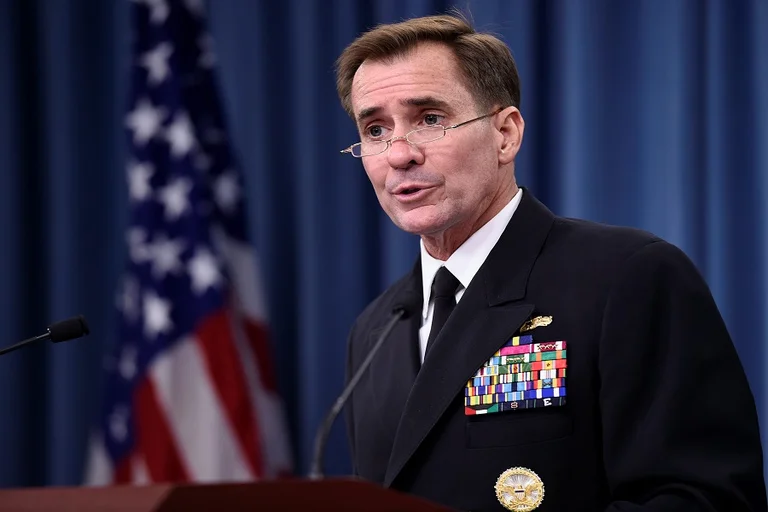
(2 years ago)National Security Council spokesman at the White House John Kirby told the Voice of America that Washington's approach to Europe and the Balkan region has not changed. Kirby asked these comments in response to a reaction question on a editorial editorial of the newspaper Washington Post, which says President Biden [...]
National Security Council spokesman at the White House John Kirby told the Voice of America that Washington's approach to Europe and the Balkan region has not changed. These comments, Kirby, asked in response to a reaction question, on a editorial editorial editorial of the newspaper "Washington Post" which said President Biden followed the “policy of supporting Serbian authoritarian President Aleksandar Vucic in trying to get him out of Russia”.
“This attitude seems increasingly like a failure”, says “Washington Post” I
Kirby made no further comments.
Recently, after early elections, Serbia has been involved in a wave of opposition protests accusing the government of mass irregularities and manipulation in the 17 December process.
In the editorial article of Washington Post”, Vucic and Prime Minister Ana Brnabiq “accused the West of protests” and called them “an attempt to overthrow the government”.
“Promoting dissatisfaction against the West and lining up with Moscow, Vucic wins points in front of nationalist groups, while his democratic opponents label them as foreign-interest servants”, continues the editorial.
) Washington Post says Vucic at private meetings constantly assures Western officials that he is making the best efforts possible for his nation éi rebel to be part of the European Union and that he is their only and reliable partner”.
According to Washington Post, the Biden administration based its reflective policy on guarantees Vucic has given them privately.
“Although some dangerous crises during the past year in neighbouring Kosovo have had Serbian fingerprints, the United States has avoided the obvious impeachment of one side, preferring to call for peace”, the article points out