9 minutes ago
The EU asks Kosovo for clarification on the CEC decision: Avoid Uncoordinated Actions
Periskopi(2 years ago)
(2 years ago)The European Union has called on Kosovo and Serbia to avoid uncoordinated actions that are not in the spirit of normalisation of reports, and, as said by the bloc, could negatively affect the situation on the ground. This call was also made regarding the Kosovo Central Bank decision, which [...]
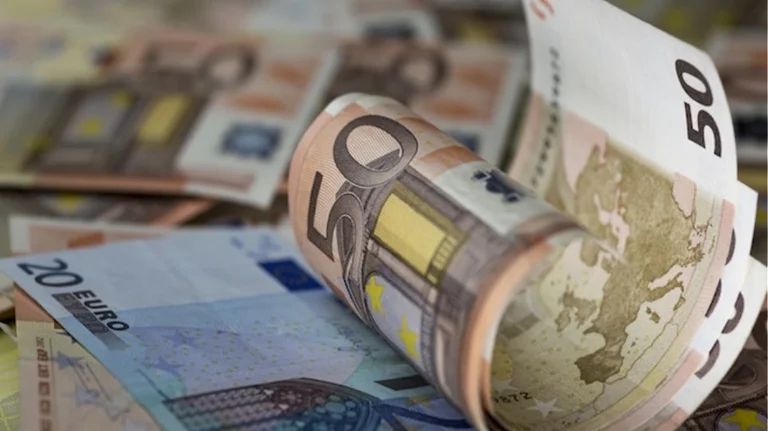
This call was also made in connection with the Kosovo Central Bank decision, which has adopted a regulation for cash operations. This regulation envisions the payments being carried out only with euro currency, a decision that from Serbia is seen as stopping for fees with Serb dinars.
EU spokesman Peter Stano, answering questions regarding this BEC decision, which will take effect on 1 February, said the European bloc is still analyzing the issue.
We're still analyzing and asking for clarification on this decision, motives and implications that he might have... Kosovo and Serbia must avoid uncoordinated actions that do not go into the spirit of normalisation of reports and that may have a negative impact on the situation on the ground”, Stano said.
He reiterated the call for both sides to address even this issue in the context of dialogue for normalisation of reports, mediated by the EU.
According to Kosovo Deputy Prime Minister Besnik Bislimi, the particular importance of the BEC regulation lies in determining the currency allowed to be used in all bank and nonbank transactions in Kosovo, which in this case is the euro.
“Each of the citizens of the Republic of Kosovo that has acted contrary to this has been on the other side of the lawbreaker”, Bislimi wrote on Facebook.
He said the BEC regulation “is not the product of political negotiations in Brussels”, and as such, “does not have the impact on the prosperity of” of the normalisation of reports between Kosovo and Serbia.
Two days ago, EU special envoy for Kosovo-Serbia dialogue Miroslav Lajcak said he hopes a solution will be found so that there will be no negative consequences. According to the European emissary, the information he received from Kosovo on the issue has conveyed to Brussels, adding that he expects the EU to come up with a common position on the issue.
The director of the Office for Kosovo in the Serbian Government, Petar Petkovic, in a statement to Radio Television of Serbia, said he expects to realise what Lajcak has stated, so that a solution will not be found that will not end with negative”.
The Serbian List, the largest party of Serbs in Kosovo to enjoy official Belgrade's support, has also indicated against the BEC's decision. This party, on January 18th, said this decision by “regime of [Kosovo prime minister] Albin Kurti” is the “decision to expel Serbs from these areas without using weapons”.
“After all forms of institutional violence used against the Serbian people by the authoritarian regime of [Kosovo Prime Minister Albin] Kurti, who failed to expel all Serbs from Kosovo, has now decided to ban the dinar in Kosovo and thus directly threaten the physical survival of the Serbian people”, the Serbian List's response was said.
In Kosovo, in all Serb majority settlements, the population there uses the Serbian dinar to carry out payments, and those who work in Serbian institutions in Kosovo receive their salaries with dinars. The pensions are also paid with dinars, according to the Serbian system, as well as additions for children and social aid.
Also, in areas where Serbs live, dinars are used in commercial objects, while in the four Serb majority municipalities in the north, prices are of dinars.
In the regulation approved by the CEC for the available money operations in which it was said non-euro currency can only be used to store “in physical form or in bank accounts” and can carry out international payments and these currency can also be used in exchange. /REL