6 minutes ago
EP debates elections in Serbia, resolution to be adopted in February
Periskopi(2 years ago)
(2 years ago)The European Commission has said Wednesday it expects Serbia to transparently investigate all complaints of irregularities during elections held on December 17th last year. Thus has European Commissioner Didier Reynders, who has represented the European Commission in the Serbia election debate, which has been held in Parliament [...]
The European Commission has said Wednesday it expects Serbia to transparently investigate all complaints of irregularities during elections held on December 17th last year.
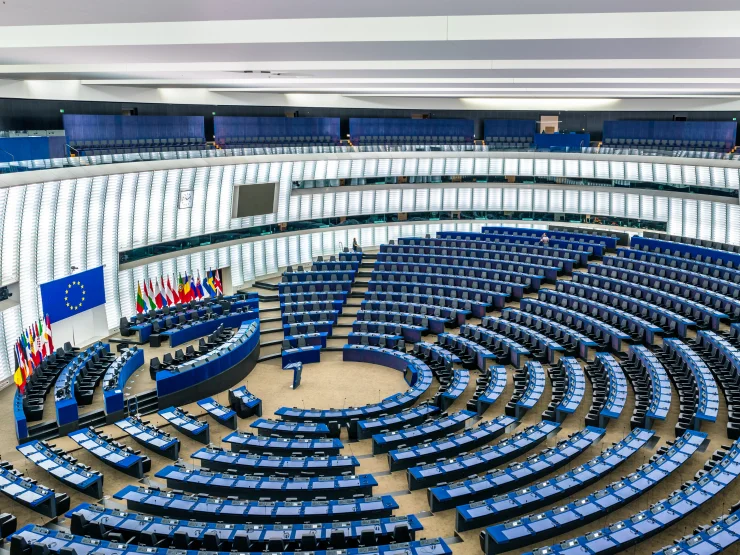
Thus has European Commissioner Didier Reynders, who has represented the European Commission in the Serbia election debate, which has been held in the European Parliament, said.
According to him, review of irregularities applies both to local resources, both in Belgrade and other municipalities.
Reynolds has said he expects Serbia to immediately implement all recommendations of the Organisation for Security and Co-operation in Europe (OSBE).
“We are willing to support Serbia in implementing these recommendations. We are carefully following protests in Serbia after the elections. Let me underline the importance and rightness of holding peaceful demonstrations. At the same time, violence is not a solution and is not acceptable”, he has said.
The debate over Serbia has been put on the agenda of the European Parliament's plenary session after a group of political parties have applied for maintaining an extraordinary debate.
The demand was made by social Democrats, liberals, greens and left ones.
During the January 17th debate, the petitioner, Andreas Schider, has said that instead of seeking transparency, Serbia's “president and prime minister criticise international election monitors in the harshest and worst manner”.
Among the irregularities in the elections, he cited “ghost players, vote buying, as well as unilateral media reporting”.
The European Parliament has had a monitoring mission for elections in Serbia. At the head of the mission was European representative Clemen Groshelli.
During the debate, he has reiterated that irregularities in the election process have been confirmed, which, according to him, testify that the country has serious problems in meeting fundamental democratic standards and in holding free and fair elections.
European populations have tried to undermine the debate over Serbia, referring to the failure to publish the final report of international observers.
The extraordinary parliamentary, local and district elections are held in Serbia on January 17th.
The opposition coalition, “Serbia against violence”, does not accept the results and requires repeat elections, claiming that the ruling Serbian Progressive Party (SNS) has won with electoral theft.
This party and leaders in power deny the accusations.
Since the elections were held, part of the opposition has organised protests every evening with the demand for cancellation of results.
Elections in Serbia will be discussed again in the European Parliament next week.
The debate will be held on the European Parliament's Foreign Affairs Committee on 23 January.
After the discussion held on Wednesday, January 17th, the European Parliament is expected to adopt the resolution on the issue, at a plenary session to be held in February. / REL/