7 minutes ago
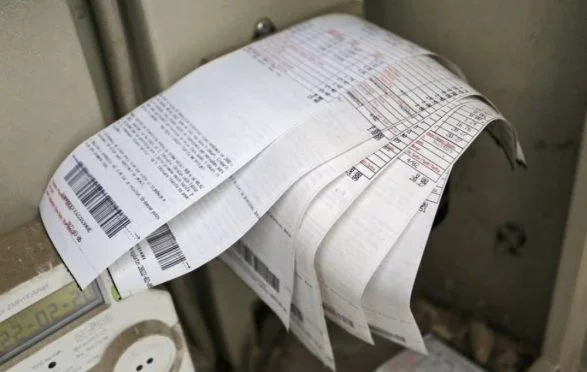
December's top bills, over a thousand, 700 complaints went to KESCO.
Periskopi(2 years ago)
(2 years ago)Over a thousand and 700 complaints have gone so far KESCOʹs, in connection with high electricity bills for December. Translations per cent, down to 0.05 per cent of the total consumers this company has. Citizens are claiming that their bills have come much higher, even though they have spent the same [...]
Over a thousand and 700 complaints have gone so far KESCOʹs, in connection with high electricity bills for December. Translations per cent, down to 0.05 per cent of the total consumers this company has. Citizens are claiming that their bills have come much higher, even though they have spent the same energy as the month before they did. In addition to KESCO, complaints have gone to the Energy Regulatory Office as well.
Kosovar Power Supply Company - EC SCO is facing hundreds of citizens' complaints. Electricity bills have been made for December.
Many consumers have complained that last month's bills have come too high, though they say they have spent just as much energy as the month of November.
KESCO's spokeswoman, Margarita Rashit, has said 0.025 per cent of consumers have filed complaints to the latest electricity bill, which falls to 1750 consumers.
According to her, after the clarifications were offered, some of these consumers have not continued with written complaints.
“Out of 700 thousand consumers as much as KESCO, only 0.25% of them have filed complaints over the received bills in December. Part of them have been treated by relevant Consumer Services officials, who have clarified consumer spending compared to similar periods of past years, as well as changes in tariffs. As a result, a portion of these consumers have not seen the need to file a written complaint against”, Rashi has declared.
For these complaints, Rashi says some have concluded that the treatment and others will be addressed in the following days.
“
In addition to complaints at KESCO, some citizens have also turned to the Energy Regulatory Office.
Of this institution, 57 complaints have been accepted for the December bills.
“In line with the procedure to resolve complaints in the energy sector, all consumers who have complaints about services provided by the system suppliers or operators should initially present these complaints to the supplier before seeking review by the regulator. As to complaints about recent bills, we inform you that 57 consumer complaints have been accepted so far, which have referred to the supplier. Every supplier or operator of the system is obliged to respond to all consumer complaints effectively and fairly”, it says in response.
By ZRER, they declare that after consumers accept the answer from KESCO, they could continue with complaints at the Regulatory Consumer Protection Department
After accepting response from the supplier, consumers can file complaints to the Regulatory Consumer Protection Department. Z The RRE will review any accepted complaints in accordance with the provisions set forth in the Procedure for resolving complaints in the energy sector”, have stated by the ZRRE.
The bills have been higher in December, as well as KESCO.
From KESCO, they have said that increasing the value of bills in this winter month is the result of increased electricity consumption, especially consumers using electricity for heating.
In response, it was stressed that electricity consumption worth more than 800 kWh a month is met with higher tariffs.
“Z The RHR has built a tariff structure divided into a lifeline. So if you as a family consumer consume up to 800 kWh, then you only submit to two blocks, day and night, which start in winter between 10:00 and 7:00. During the day, the price is 7.79 cents per kWh, and at night about 57 percent cheaper, with an estimated 3.34 cents per kWh. However, prices vary for consumption of over 800 kWh. If a consumer consumes 1600 kWh, then the half to 800 kWh is accounted for by the above prices. And the above is estimated at 2 more tariffs: the high one during the day, which amounts to 14.45 cents per kWh or 85.5 percent more expensive, and that of the night, 6.81 cents per kWh, or nearly 104 percent more expensive than spending under 800 kWh”, was said further in the report.