7 minutes ago
Borrell: EU Must Do More to Support Ukraine
Periskopi(2 years ago)
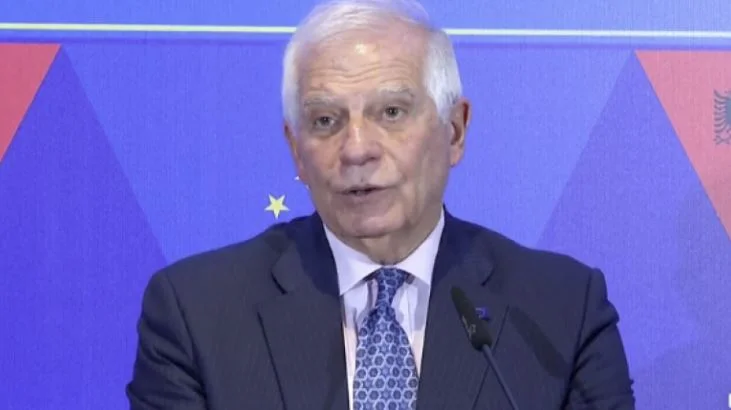
(2 years ago)Foreign policy chief Josep Borrell said European Union foreign ministers, during the meeting in Brussels on January 22nd, agreed that now is not the time to reduce aid to Ukraine. “Instead, we must do more and faster in terms of financial resources, military equipment, military training and [...]
Foreign policy chief Josep Borrell said European Union foreign ministers, during the meeting in Brussels on January 22nd, agreed that now is not the time to reduce aid to Ukraine.
Rather, we must do more and faster in terms of financial resources, military equipment, military training and all the protection Ukraine needs. We will continue to work to project this aid”, Borrell said during the media conference after the meeting.
He also announced that he plans to visit Ukraine in the second week of February, but did not give a specific date for his visit, or who he plans to meet with.
Wars in Ukraine and the Middle East are involved in this year's first meeting of EU foreign ministers.
Ukraine's defence against Russia's invasion continues to be a priority for the EU, Borrell said before the meeting in Brussels, adding that the Middle East conflicts will not distract the bloc.
Ukraine “is the first item in the agenda”, Borrell said before the meeting.
The fact that we are involved in seeking a solution for the Middle East does not mean that we will not continue to support Ukraine”, he said.
Meanwhile, Ukrainian Foreign Minister Dmytro Kuleba said his state is relying on rapid steps during the first quarter of this year in terms of opening EU membership negotiations. He also called on the bloc to increase weapons supplies and approve the programme for long-term support for Kiev.
The war between Israel and Hamas ʹthe Palestinian group declared terrorist organisation by the United States and the EU has been in focus of Brussels since the war began on October 7th, after Hamas attacked the south of Israel.
While the EU has said Ukraine continues to be a priority, some member states have made statements in recent months, raising questions about whether such support should continue.
Prior to the meeting in Brussels, Hungarian Foreign Minister Peter Szijjarto criticised “pro-war pressure in Brussels” that he is seeking to provide military assistance to Ukraine worth $5 billion.
Slovakia, meanwhile, has warned it will decide veto if Ukraine decides to join NATO, because according to its prime minister, Robert Fico, membership in the western Kiev military alliance would mean “nothing other than the basis for World War III”. / REL