3 hours ago
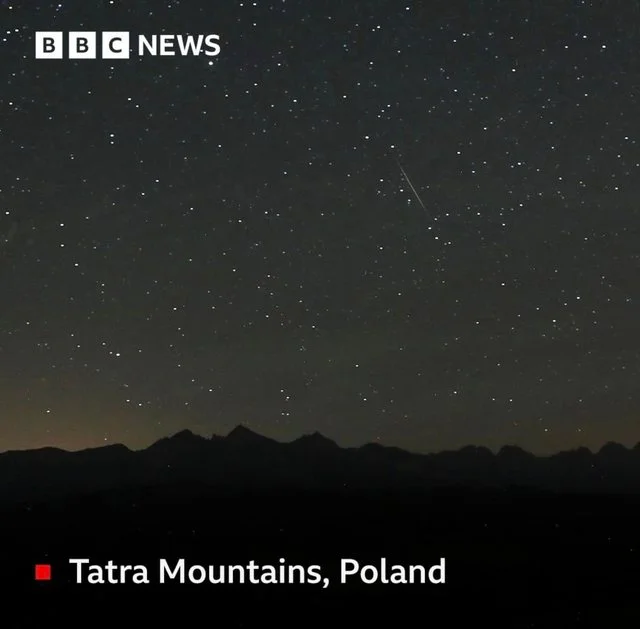
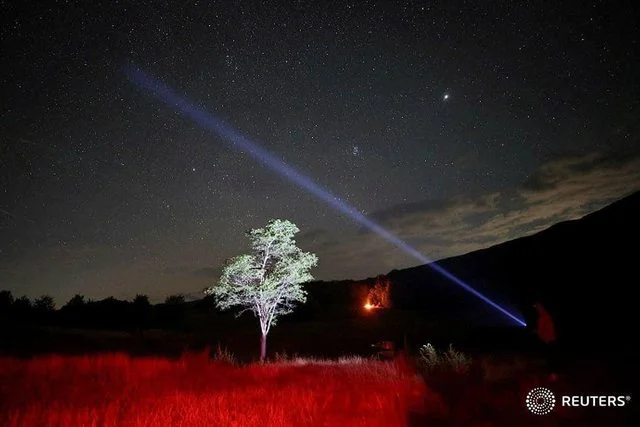
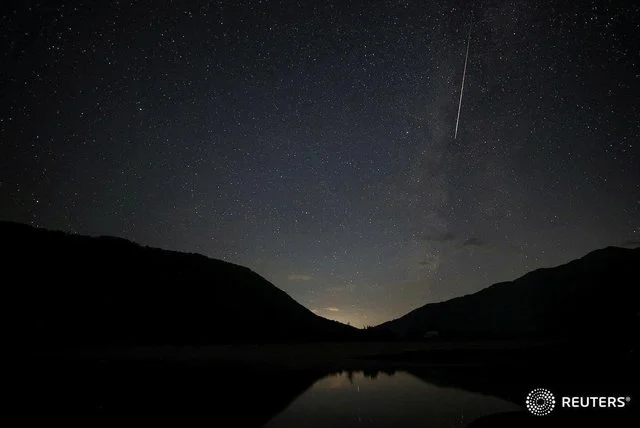
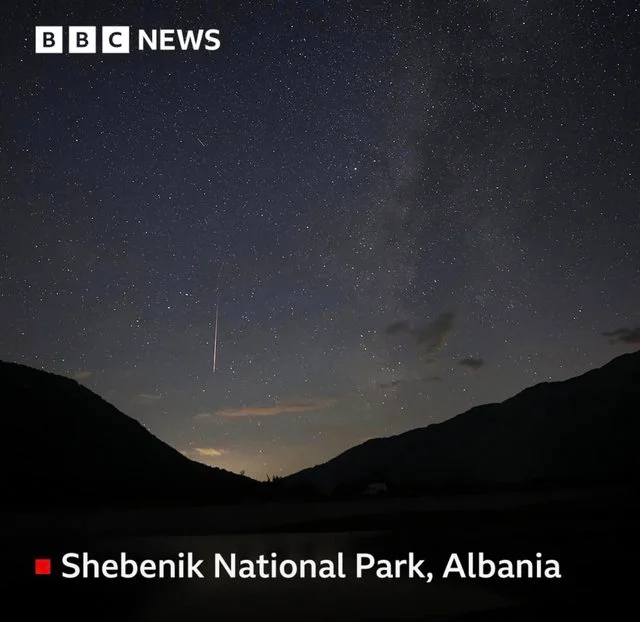
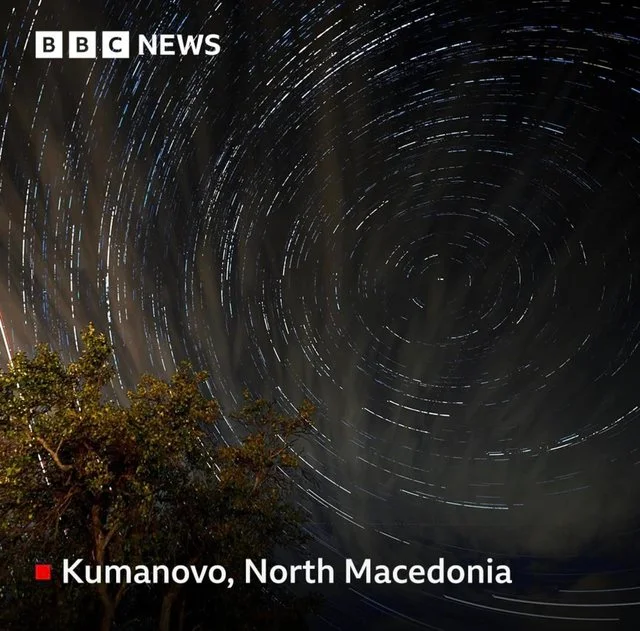
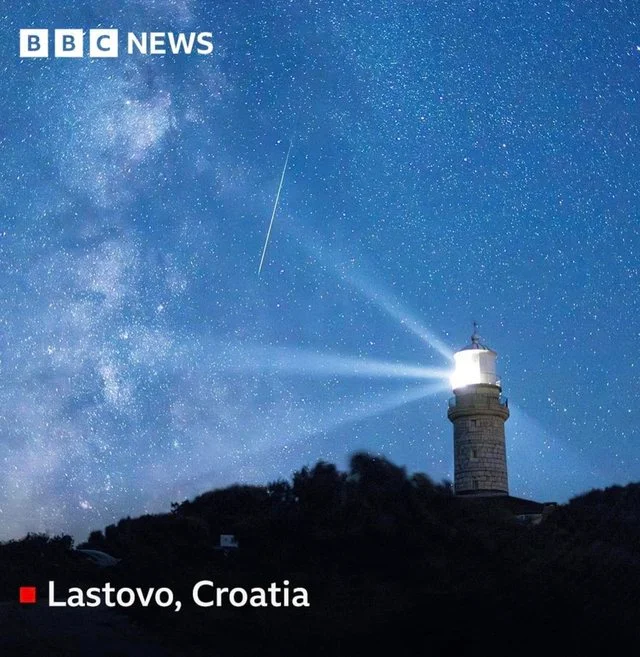
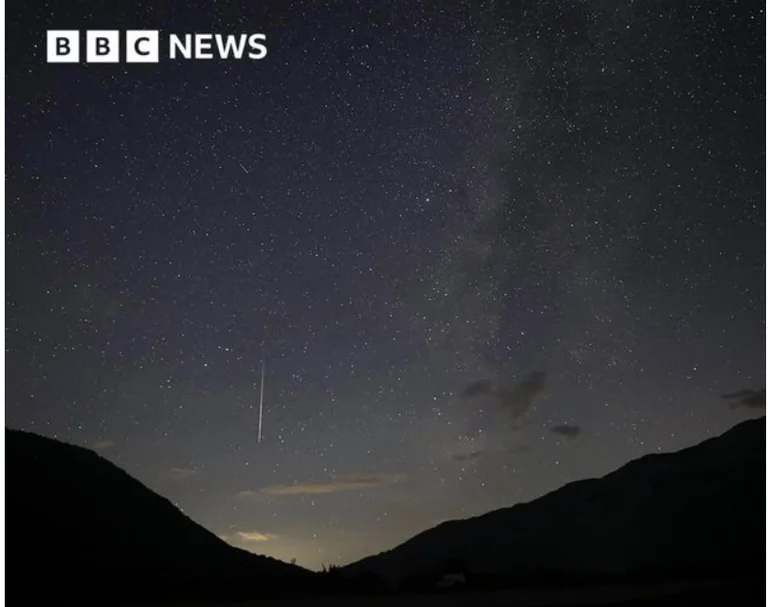
BBC Photo-Albumi/Bermial Rain “Perseid” brightened the sky in Albania and around the world
Periskopi(3 years ago)
(3 years ago)The Persian meteor shower has again donated a spectacle during late Saturday hours, reaching the climax of the glow at Sunday dawn. Over 100 comets an hour have landed. They hit the Earth's atmosphere at a speed of 215km/h, reflecting bright flames as they enter [...]
The Persian meteor shower has again donated a spectacle during late Saturday hours, reaching the climax of the glow at Sunday dawn. Over 100 comets an hour have landed.
They hit the Earth's atmosphere at a speed of 215 km/h, reflecting the bright flames as they enter the atmosphere. Known as falling stars, they were seen with free eyes until the complete merger.
Regarding this phenomenon, Prime Minister Edi Rama, who brought the European information network BBC last night, also reacted.
Prime Minister Edi Rama today shared a view from the night of August 12th, which is known as St. Lawrence's night or the night when stars fall from heaven.
<x0 mbram at one of the most expected astronomical events of the year, Persian meteors' annual rain lit up the world wide with meteors that hit Earth's atmosphere at 134,000 miles per hour (215,000 km/h)”, Rama wrote on social networks.
Rama shared the photo of prestigious media such as the BBC and Reuters, in which even the fall of stars is seen in Sibenik National Park.
Once thought to be the falling stars were the tears of St. Lawrence, martyred in suffering. In fact, it's not about real stars, it's about the remains of Perseus, which originated from the Suift-tuttal cometle comet, discovered in 1862 by Italian astronomer Giovanni Vrigio Schaparelli.
August 10 is the day marked on the religious calendar, but it must be expected August 12 when the Persians are most visible in heaven to see meteor rain better.
The peak is marked at night between August 12 and 13, about 22 p.m., as far as 50 meteors per hour can be seen. But there must be caution against contamination from enlightenment; to admire the stars that fall better, a dark place must be chosen, away from the cities, and if possible at altitude.
Astronomers suggest that we should look north east, full night, when the moon has set.