3 hours ago
DAS for Kosovo's foreign investment climate: Corruption, poor rule of law limit foreign investment
Periskopi(3 years ago)
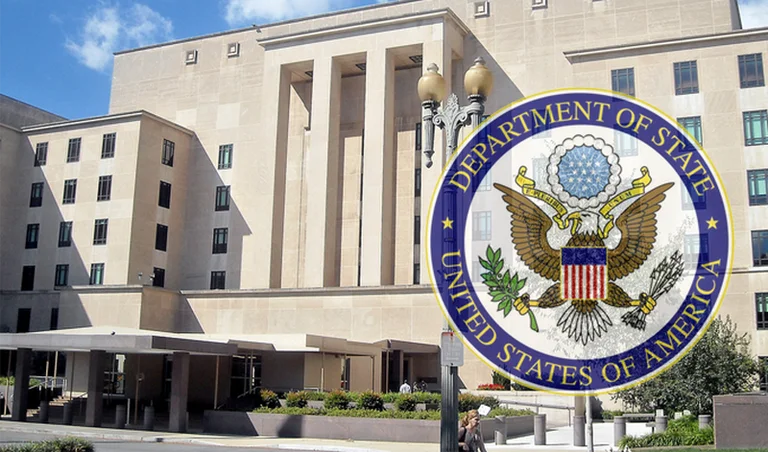
(3 years ago)The US State Department has published the report for the “investment climate in Kosovo“, in 2023. A host of problems and obstacles containing foreign investors to invest in Kosovo are highlighted in this report. One of these mentions corruption as well as poor rule of law. But it is emphasized that there is also intervention [...]
A host of problems and obstacles containing foreign investors to invest in Kosovo are highlighted in this report.
One of these mentions corruption as well as poor rule of law.
But it points out there are also political interference in the economy that automatically makes the issue of foreign investors more difficult.
Also cited is the problem with electricity, so there is no credibility for continued supply, as well as property rights and limited regional and global economic integration.
In this report, the issue of continuing disputes between Kosovo and Serbia is highlighted.
Kosovo's” potential to withdraw The growing FDI is limited by numerous structural issues, including limited regional and global economic integration; political interference in the economy and judiciary; insufficient energy supply; a large informal sector; difficulties in establishing property rights; corruption; and poor rule of law, including lack of contract enforcement. The country's ability to support growth is significantly based on international financial support and remittances. Kosovo's continuing dispute with Serbia and lack of formal recognition by many countries and international organisations, including the United Nations, also hampers investments and creates obstacles to doing business”, the report said.
In this report, there are other details about the disputes of Kosovo and Serbia, as a problem in the investment climate.
The loss of normalised relations with Serbia, which Kosovo seceded from in 1999 and declared independence in 2008, remains a source of political tensions and threats to violent confrontations, especially in the four Serb majority northern Kosovo municipalities. A recent and illustrative example includes a Kosovo government announcement in October 2022 for implementing a previous decision requiring the exchange of Serbia's license plates with license plates RKS) issued by the Republic of Kosovo. In response to this announcement and increasing tensions, barricades were set up in Kosovo's four northern municipalities, blocking transportation routes inside and outside the region”, the report said.