3 hours ago
European Commission: The Majesty of war criminals in Serbia continues without consequences
Periskopi(3 years ago)
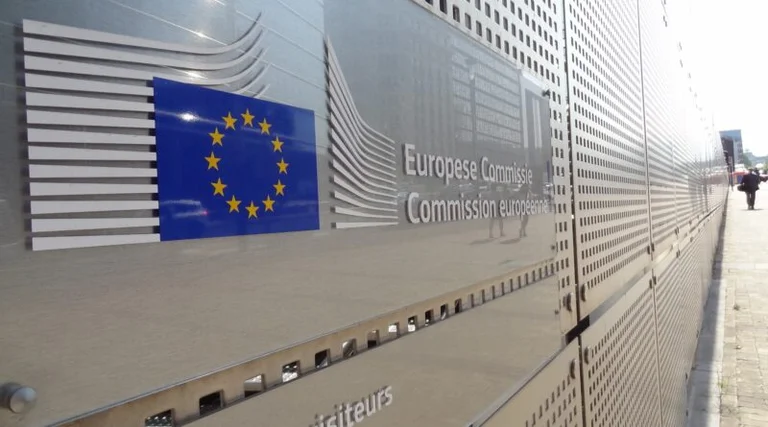
(3 years ago)The European Commission, through a no-good sent to European Union member states concerning meeting the criteria from Serbia for chapters 23 and 24 of membership negotiations, has warned that at the highest levels, public space and [...] are continued without consequences in Serbia, the glorification of condemned war criminals.
These two chapters include rule of law and fundamental rights. Fulfilling transitional criteria within chapters 23 and 24 are preconditions for Serbia to close any other chapter in the negotiations process, so regularly reported on progress made in meeting them.
This report states that Serbia has taken some steps to meet the criteria, but it notes that it still needs to be worked on creating the political will for deepening reforms to address shortcomings in key areas such as judiciary, fighting corruption and organised crime, media freedom and prosecuting war crimes cases.
Recalling Serbia's obligations to co-operate for war crimes with the International Criminal Tribunal Mechanism in The Hague, as this mechanism has taken over the continuation of some processes by the war crimes tribunal in the former Yugoslavia, the report said Serbia does not have full co-operation with this tribunal. Particularly, the report stressed that there is a lack of co-operation in cases of arrests of persons accused of obstructing justice. Also mentioned, Serbian officials often question the court's decisions at The Hague for war crimes, and the convicted war crimes criminals are exalted.
“A number of political party figures in Serbia, including at the level of ministers, continue to provide support and public space to convicted war criminals. Condemned war criminals continue to spread hate languages in public space. Some specific politicians continue to deny genocide in Srebrenica, without consequences”, was said in the report.
During the genocide in Srebrenica, Bosnia and Herzegovina, in 1995, Serbian soldiers and police officers killed more than 8,000 Muslim men and boys, and their bodies were buried in mass graves. This event has been described as the worst atrocity in Europe since the end of World War II, and The Hague International Court has recognised it as genocide.
The European Commission report also mentioned Serbia's co-operation with neighbouring states with war crimes cases and the exchange of specific evidence. It was said that co-operation with Croatia and Kosovo has not brought the necessary results.
The report stressed that Serbia has failed to include financial compensation for war crimes victims in criminal processes.
“Civil War victims and abuses of their rights remain neglected politically, socially and economically. The dynamic of the trial of war crimes cases in Serbia has slowed down markedly in recent years. A real commitment to address these cases, including high-ranking suspects, should be secured”, the report said.
The European Commission's informal document also withdrew on media pressure in Serbia. It was highlighted there that space has been given to the RT Balkans (Russia Today) media in Serbia to spread dezinforms. This medium, such as the Russian agency Sputnik, according to the report, spread their narratives to their websites, but also using other media in Serbia.
The European Union has imposed sanctions on Russia Today and Sputnik after the launch of the Russian invasion of Ukraine.