12 minutes ago
DW: Serbia ignored US calls for release of police officers increased tensions
Periskopi(3 years ago)
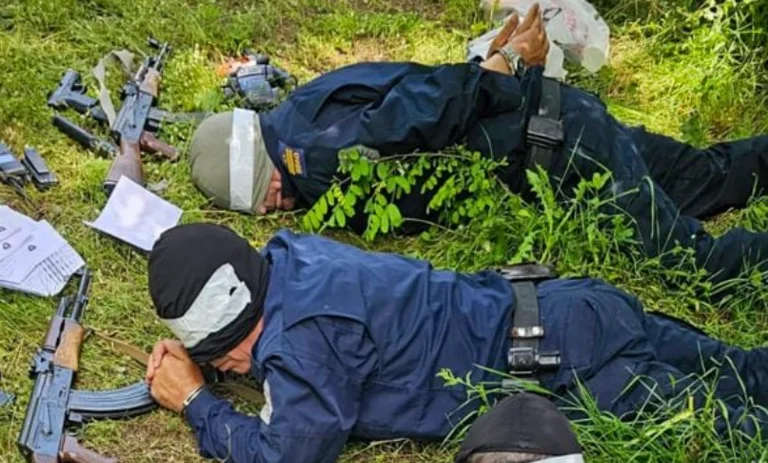
(3 years ago)The English-language edition of “Deutsche Welle” has reported on the trial that took place against three Kosovo police officers in Serbia, saying it has continued with trial procedures, ignoring international requirements for immediate and unconditional release. Following the arrest of three Kosovo officers in Serbia, the US has demanded [...]
Following the arrest of three Kosovo officers in Serbia, the US has repeatedly sought their release. But public prosecutors are moving ahead on charges, further increasing tensions, this medium writes.
A Serbian court on Friday ordered continued detention and investigation into three Kosovo police officers who were arrested in Serbia early in the week.
The opening of legal procedures came after US special envoy for Southeast Europe Gabriel Escobar sought the release of officers, in line with the US State Department's request a day earlier.
“They were either taken or finished in Serbia without purpose,” said Escobar at an online press conference.
“They must be released unconditionally”.
Serbia moves ahead with investigation
The Public Prosecutor's Office in the Serbian town of Kralev said he had accused three police officers of producing, possession, restraint and unauthorized trafficking of weapons and explosive substances.
The judge for the Supreme Court's preliminary procedure in Kraleva ordered the detention of all suspects”, the prosecutor's office said in a statement. The background of the initial arrest has been rejected by Serbia, which says the officers were deep inside Serbian territory and Kosovo, which says they were kidnapped.
Kosovo Prime Minister Albin Kurti welcomed the call for the release of police officers and reiterated the Kosovo side of history: “Serbia kidnapped them, on a road to Kosovo used by Serbian smugglers”.
Fear of Returning to Open Conflict
The arrest of Kosovo police officers is only the latest episode in the ongoing escalation of tensions between the two neighbours.
Members of the Serb minority in northern Kosovo have protested the election of Albanian mayors of their cities after the majority of ethnic Serbs boycotted the vote.
Protests erupted in violence, with Kosovo Serbs clashing with Kosovo police and NATO-led peacekeepers, some of whom were injured in clashes.
Serbia then ordered its troops to be placed in confrontation and to be on higher alert.
The EU, Great Britain and the US have called on both sides to de-terrest the situation. Serbia does not recognise Kosovo's independence, which it declared in 2008 after a war in the late 1990s that left more than 10,000 people dead, most of whom were from the ethnic Albanian community, concludes the DW article.