20 minutes ago
Germany presents draft reforms for migration, focused on workers from the Balkans
Periskopi(3 years ago)
(3 years ago)Germany has presented draft reforms for its migration and promotion from Western Balkan countries. This is an attempt by Chancellor Olaf Scholz's government to end the lack of workforce in Europe's largest economy. “Securing qualified workers is one of Germany's largest economic tasks. [...]
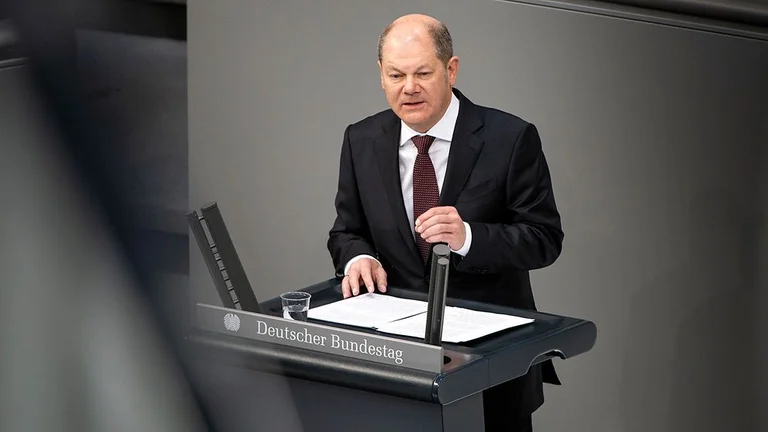
Germany has presented draft reforms for its migration and promotion from Western Balkan countries. This is an attempt by Chancellor Olaf Scholz's government to end the lack of workforce in Europe's largest economy.
“Security of qualified workers is one of Germany's largest economic tasks for the coming decades”, said German Labour Minister Hubert Heil.
According to the ministry, the number of free jobs in 2022 was at a record rate of about 2 million.
One of the reforms is a new immigration law aimed at addressing the main obstacles to immigrants in Germany, especially for those coming from countries outside the European Union.
“With this initiative, we are laying the foundation for a new beginning in migration policy”, Finance Minister Christian Linder wrote on Twitter after the cabinet approved reforms. “Anyone who can contribute to the country's economic success as a qualified worker is welcome”.
The bill, which Reuters has seen, says reform could increase the number of workers from countries outside the EU to 60,000 people a year.
“If people bring professional or personal potential experience with them, we will enable them to gain ground on our labour market”, said German Interior Minister Nancy Fyser.
Three roads are laid out in this bill for foreign citizens to work in Germany.
The first requires a professional or university degree accepted in Germany and a job contract.
The second takes at least two years of work experience in a respective sector and a degree or professional formation.
The third is a “potential” for individuals who have no work experience, but have the potential to find work. It follows a system based on points that takes into account qualifications, language skills, professional experience, connection with Germany and age.
The cabinet also adopted an education Law, which grants young people the right to free training. Germany's Federal Labour Agency will pay up to 67 per cent of net salary for the length of training.
The cabinet also decided to continue regulations for job seekers from Kosovo, Albania, Bosnia and Herzegovina, Northern Macedonia, Montenegro and Serbia, which were expected to end at the end of the year.
Germany will be able to recruit up to 50,000 workers annually from these countries. According to this regulation, Germany earlier recruited 25,000 workers a year.
Brucker welcomed this continuation, noting that the employment rate was between 97 percent and 98 percent ʹ three to five years after the transfer to Germany.