20 minutes ago
UN: EU proposal not for recognition
Periskopi(3 years ago)
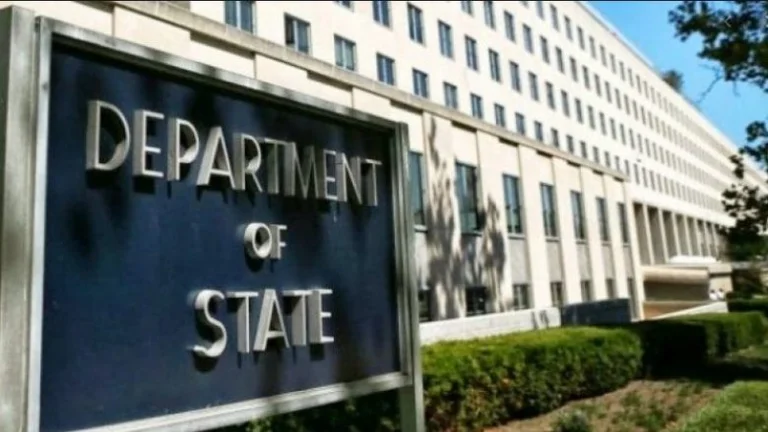
(3 years ago)The US State Department has welcomed Kosovo-Serbia talks on February 27th, where it agreed to implement the Franco-German plan. The UN, however, has warned that a difficult work lies ahead and has called for progress towards establishing the Association of Serb-run municipalities. In the official statement of American State Department spokesman Ned [...]
The UN, however, has warned that a difficult work lies ahead and has called for progress towards establishing the Association of Serb-run municipalities.
In the official statement by US State Department spokesman Ned Price, progress is said to be in establishing the Association of Serb majority municipalities remains critical of building Kosovo's future.
The United States welcomes leaders' talks under the EU's relaxed dialogue on February 27th and strongly supports the process of normalising their relations. The meeting yesterday was a good step forward, but it remains a difficult job. The agreement on the implementation annex is essential for normalisation under the EU proposal. Progress towards establishing the Association of Serb majority municipalities remains critical of building Kosovo's future as a sovereign, multiethnic and independent country integrated into Euro-Atlantic structures”, the communique says.
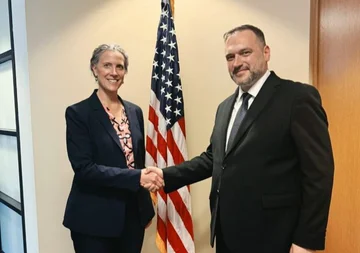
Otherwise, American State Department of the Western Balkans Emisari Gabriel Escobar at the media conference has said the Franco-German proposal is not for mutual recognition but only for normalisation of reports.
He has said that the fact that the US supports this proposal does not mean that the US does not believe the region to be healthy must overcome the events of the 1990s.
Escobar has further said the US believes all countries in the region should recognise each other.
The EU proposal is not about recognition-reciprocise, but it is about normalisation. But just because we support this proposal at this specific time does not mean that we do not believe that all countries in the Western Balkans to be healthy must emerge from the events of the 1990s. We believe that all countries in the region should know each other and have good reports with each other”, Escobar said.
After the meeting in Brussels on February 27th, the European Union said the parties are willing to work on implementing the proposal. This will be done through flying diplomacy, respectively, through trips expected to take place in Kosovo and Serbia by EU special envoy for Kosovo-Serbia dialogue Miroslav Lajcak.
Later, the EU plans in March to invite leaders of Kosovo and Serbia to the meeting to discuss implementing the European proposal.
Kosovo and Serbia have been negotiating since 2011 to achieve full normalisation. However, the parties have different views regarding the final agreement. Kosovo insists on mutual recognition, and Serbia is in a compromise solution, without showing what compromise it is about.