a few seconds ago
Six flats for six months, sales dropped even this year
Periskopi(3 years ago)
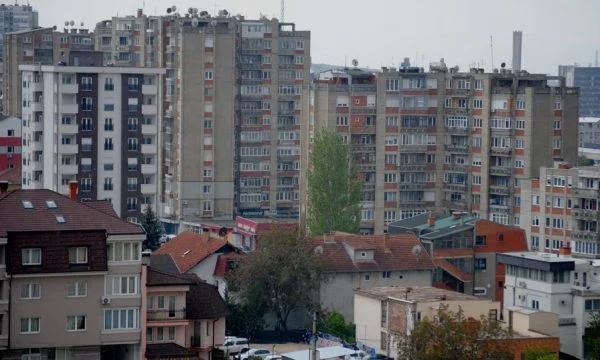
(3 years ago)We save money to buy the apartment now... When we first looked at the price was 450-500 euros per square metre in Fushe Kosovo, it is now over 700 euros, while in Pristina over 1,000 euros”, says Hope. With her husband and two children, she lives in a rented residence in Fushe Kosovo for [...]
We save money to buy the apartment now... When we first looked at the price was 450-500 euros per square metre in Fushe Kosovo, it is now over 700 euros, while in Pristina over 1,000 euros”, says Hope.
With her husband and two children, she lives in a rented residence in Fushe Kosovo, for which she pays 250 euros a month.
He says their interest in buying the flat has begun for three years, but that their prices have gone up.
“Banesa has as many as you want and wherever you want, but the price is unaffordable for us as a 4-member family”, says Hope for Radio Free Europe.
She works at a clothing store in Fushe Kosovo, where she pays 450 euros a month, while her husband also works in the private sector with a smaller salary.
“most of the rent money is hurting, she says.
The difficulty in securing such real estate seems to have other Kosovo citizens whose average salary is about 520 euros a month.
Kosovo Statistics Agency data (ASK) suggests this, but representatives of construction companies also claim it.
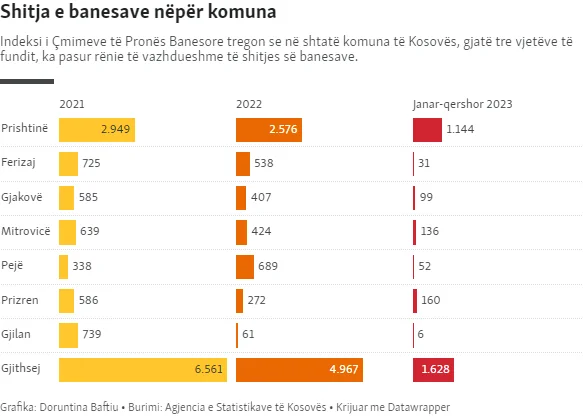
The Bank Property Awards Index, compiled by the AKS, shows that 1,628 residences were sold in the first six months of this year, compared to 4,967 in the entire 2022 and 6,561 in 2021.
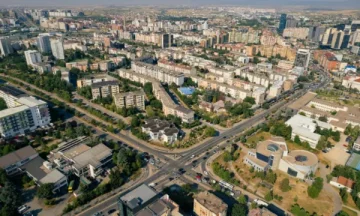
The worst hit municipality is the Gjilan municipality of over 900,000 people, where in the first six months of this year only six residences have been sold.
What caused this trend?
Inflation is seen as the main cause of falling housing purchase requirements. It took off early in 2022, when Russia began its full invasion of Ukraine, causing market disorder.
Although it has fallen this year, last year Kosovo has completed it with an average inflation rate of about 12 percent.
Inflation has expensive the building material and, therefore, has reduced purchasing power.
According to AKS data, the average cost of construction in 2021 and 2022 has marked increases of up to 16 percent compared to 2020.
This year, in the third quarter respectively, construction costs have dropped by 1.6 per cent, compared to the same period last year, the ASS data released on 8 December shows.
But builders with whom Radio Free Europe has spoken say that many residential objects have been built with more expensive materials and they have not been sold.
Vehbi Zariqi, owner of the construction company “Standard” says that this year's housing trade has dropped by 60 percent.
Similarly, Visar Maksutaj, co-owner of the construction company “Cima Group”, states the decline, although he does not give any percentages.
Milot Mehmeti, from the real estate agency “Pro Real Estate” in Kosovo, says the apparent dim interest is also due to the Kosovo diaspora.
We had 63 available meetings with citizens from the diaspora in the spring and when they arrived, they completed the acquisition. We had only four meetings this year”, Mehmeti tells Radio Free Europe.
The owner of another real estate agency, which does not want to be identified, says that during 2023, housing purchase has dropped by up to 50 percent.
He shows that interest is not missing, but says customers give up due to the price, which has increased over 200 euros per square metre at the beginning of last year.
Currently, the average housing price in Kosovo is about 1,000 euros per square metre. In 2021, it was 800 euros.
Prices differ depending on the location and location of the residence. The most expensive are in Pristina and Prizren.
Apartments have been expensive in other European countries up to 30%.
Are flat prices expected?
Among the biggest investors in Kosovo, over the years, have been citizens from the diaspora and in real estate.
According to Central Bank of Kosovo data (BQK) for the January-September period of this year, up from over 612m euros in foreign investments in Kosovo, about 370m euros have gone to the real estate sector. However, it does not specify whether these tools have been invested in housing, homes, locals, land, or other items.
Economics professor at the University of Pristina, Nagip Skiner, says that if the interest of exiles in housing purchases has dropped, it will lower their price.
According to him, the owners of construction companies are also hosting the holiday season when, as he says, there is a greater influx of exiles going to Kosovo, which they also exploit as opportunities for the purchase of residences.
If they don't show interest, says Skyer, the builders will be forced to lower prices because of their obligations to other companies, whether to those who have provided them first or to those who have installed water, electricity, and others.
The “is natural, because if they have obligations to other contractors, they have to pay their debts to them and the prices should be reduced... not to remain residences without selling, even at a lower price”, says Schiffer.
Former BQ Governor Fehmi Mehmeti also expects a drop in housing prices.
“I expect this drop as a result of demand and supply... They [constructors] may come into a situation to sell housing at the cost of construction, but not below”, Mehmeti tells Radio Free Europe.
Maksutaj, from the “Cima Group”, does not expect housing prices to drop, as, according to him, both the workforce and the land prices have been expensive.
According to a Radio Free Europe report in March of this year, land prices in Pristina have increased by 30 percent and higher, compared to 2020.
In addition, expenses have suffered nearly all products and services.
The data released in late September by AKS showed that much of the family budget in Kosovo is shared for the purchase of food items.
According to the AKS, Kosovo families spent about 300 per cent more money on food than on living last year. / REL/