15 minutes ago
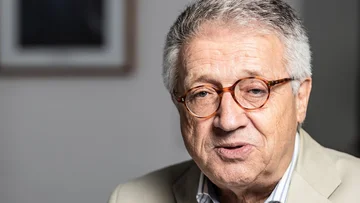
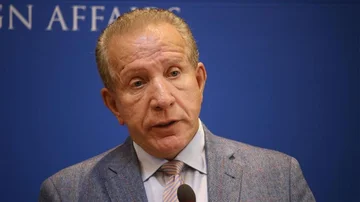
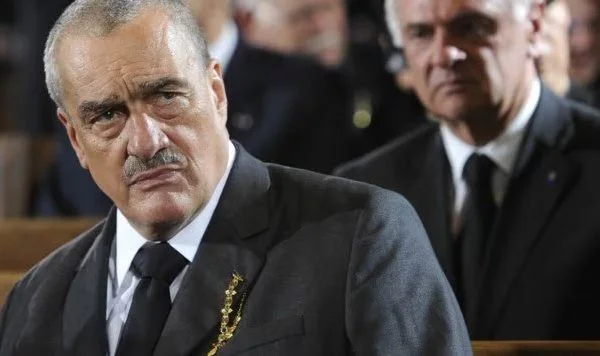
Karel Schwarzenberg, former chief diplomat who gave the stamp to Kosovo's recognition by Czechia, dies
Periskopi(3 years ago)
(3 years ago)Schwarzenberg, who died at the age of 85, served as Czech foreign minister from 2007 to 2009. It was at this time that the dictatorship that led him had announced recognition of Kosovo's independence, the decision that was rejected at other levels of power, or more precisely by the president there. He is [...]
Schwarzenberg, who died at the age of 85, served as Czech foreign minister from 2007 to 2009. It was at this time that the dictatorship that led him had announced recognition of Kosovo's independence, the decision that was rejected at other levels of power, or more precisely by the president there. He is the key man who engaged in recognition.
Chechia had recognised Kosovo on 21 May 2008. The decision was made known through a statement by the Czech Ministry of Foreign Affairs, which had announced that the proposal for establishing state-level diplomatic relations with Kosovo has been adopted.
The Czech Republic is a member of the European Union and NATO.
Foreign Minister Karel Schwarzenberg had then declared that the decision is unpopular but had defended the government's decision by saying that independent Kosovo was a reality and that Czech diplomacy would now be able to pursue active policies not only towards Kosovo, but also Serbia.
In fact, Schwarzenberg, about a month before the declaration of independence had stayed in Kosovo, where he had also warned that Kosovo would become independent. He had said Chekhia would support Kosovo's declaration of independence. During meetings he held with Kosovo leaders, he stressed that the Kosovo train is doing well on its track and that at this point what is most needed is the peaceful behaviour of Kosovars.
“We should not forget that Kosovo is now an autonomous community, which will soon become an independent state”, the Czech minister had said after meeting with President Fatmir Sejdiu.
The Czech minister had declared that Czech leadership has faced Kosovo's declaration of independence will be in line with that of other European Union countries. “I think we will act in co-ordination with other EU states, we will have discussions in Brussels, and I think we will set up a joint stance”.
Later, as he commented on former Czech President Milos Zeman's efforts to annul the Kosovo recognition decision, Schwarzenberg responded ironically.
“He is an old Kosovo opponent, as we know, we still don't have an ambassador to Kosovo or Kosovo to us because he hasn't signed this. So we have strange relationships. He (Zaman) is president of the Serbian stance, but due to his bad fortune, we have already recognised Kosovo. ”
Schwarzenberg was the Czech Republic's presidential candidate in the 2013 presidential elections, managing to qualify in the second round. Schwarzenberg was noted for his pro-European views. He was the head of Schwarzenberg's home, a former family leader of the Habsburg Empire from 1979 to his death. He is related to Prince Felix of Schwarzenberg, a statesman of the Austrian Empire. From 1948 to 1990, he lived in Austria, where he was known as Karl Schwarzenberg, and was involved in politics as part of the Austrian People's Party and became a renowned critic against human rights violations in the Eastern Block while he was the leader of the International Helsinki Federation for human rights. After the fall of communism, he moved to Prague and was appointed Václav Havel's close adviser.