14 minutes ago
“inflamming” in EU affairs requires revision of Lajcak's mandate
Periskopi(4 years ago)
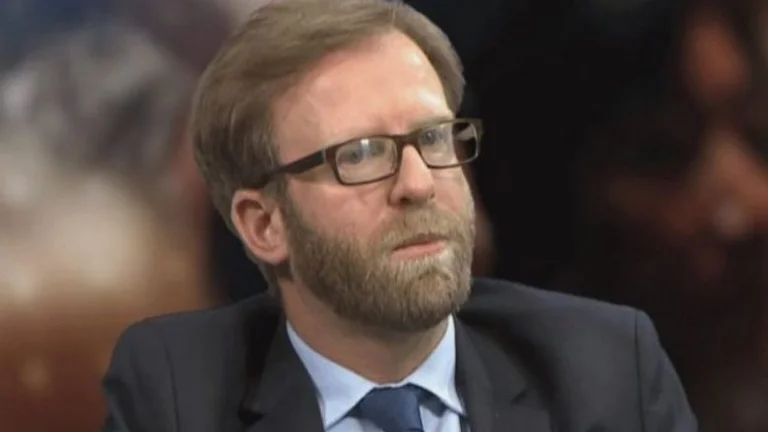
(4 years ago)Vetevendosje Movement MP Haki Abazi wants to be revised the mandate of the European Union's special representative for Kosovo-Serbia dialogue, Miroslav Lajcak. The failure to implement the energy deal in the north, according to the majority MP is evidence that this form of dialogue is continuing to take place for granted. He says [...]
The failure to implement the energy deal in the north, according to the majority MP is evidence that this form of dialogue is continuing to take place for granted.
He says that under Lajcak's mandate there should be mechanisms for implementation of agreements, rather than continuing the status quo, which is in Serbia's favour.
Serbia's “Disrespecting the energy agreement on the part of and the concrete failure that dialogue has produced in the last ten years shows that this format is only for face-to-face to say February. Serbia has used it for its two main goals, the first is to expect Russia to have a more powerful negotiating position with the EU and the West. On the other hand, the institutional memory of the EU and the democratic world is not in the 90s. So in these two objectives Serbia has worked on as far as foreign policy is concerned, while in domestic politics, making Albanian trains in the Presevo Valley, hopes that the longer problems with Kosovo will not be solved, the less Albanians will be in southern Serbia. On the other hand, by putting Kosovo in a light of instability, not allowing normal life and trying citizens to leave Kosovo. This raises an urgency that the EU special representative's mandate saw what often Brlanco is said to be supported by all, but that doesn't mean we shouldn't insist, or have mechanisms that force them to implement the agreements, like energy and license plates. At the same time, they will see the consequentials and other circumstantial aspects, when you waste so much of whose time takes longer than Kosovo and the Presevo Valley... The special representative himself should review, as credibility falls when there are frequent meetings, signatures of agreements but they are not implemented and therefore the situation remains at the status quo that suits Serbia only”, he says.
For this reason, Abazi says dialogue dynamics continue to be low, so it requires a break in Kosovo's Euro-integration process from dialogue.
“of course it's low dynamic (of dialogue). But dialogue cannot be a shield for imposing Serbia's sanctions on Russia and incompaturing Serbia's foreign policies towards Russia, as Kosovo has done. Maintaining tension between Kosovo and Serbia, it did so in order to focus the European Union and international factors on these issues and not on what Serbia represents in the region, as a Russian factor challenging both the order, calmness and diplomacy of the EU. It is not surprising and well calculated that even the delay in creating government there and trying to sabotage dialogue now and is presented as the main diplomatic issue is a cover for Serbia, in relation to what it presents in the European context of Russia...10:33 Clearly, it is for Serbia's interest to buy out the time, to delay as much as possible the outcome of dialogue with mutual recognition. But it is a positive step that the European Parliament has for the first time passed a resolution calling for mutual recognition. Pressure on Serbia is getting bigger and this needs to be continued. On the other hand, dialogue should not be the only alternative to its moving towards European integration. We have to work with all our power to make the difference between the integration process and the dialogue Serbia has used that 10 years to slow down for any progressive course of Kosovo in relation to international institutions”, he adds.
LVV deputy criticises Serbia for failing to implement the energy agreement in the north, as it says local Serbs in Kosovo are being used as political instruments from Belgrade.
It is unfortunate that local Serbs continue to be used as instrument for Belgrade's policy purposes. This has happened because of the sole articulation of the political positions of Kosovo Serbs through the Serbian List and no other party. This requires another revision, I believe it should intensify in dialogue with local Serbs. Of course, the form of destabilisation of neighbouring states has always occurred through the Serb minority, not to all, but to elements like that statement by Radojniqi to raise tensions and create scenarios that could blame other parties, not Serbia for sabotaging the” process, he adds.
Abazi, who is also chairman of the Commission for Foreign Affairs and Diasporas, says they are on a good track for membership in the Council of Europe.
“Application occurred on 12 May, which is an important step, has been consulted not all but the main partners, not to say sponsors towards membership in the Council of Europe. This is a process that should not divide us”, concludes Ahaz. / KP