17 minutes ago
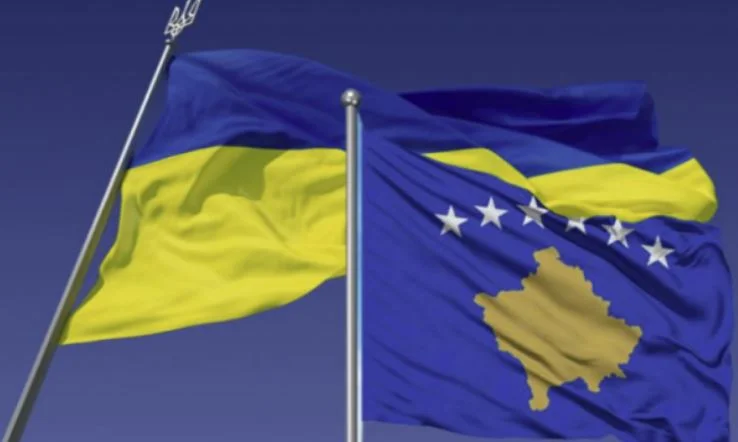
How War in Ukraine Has Affected Kosovo Economy
Periskopi(4 years ago)
(4 years ago)The war in Ukraine has affected the rise of inflation in Kosovo, even high because of the consequences of the COVID-19 pandemic, burdening the lives of citizens. According to a GAP Institute study, in January-March 2022 alone, consumption prices stood at 8.2 percent higher than in 2021. [...]
The war in Ukraine has affected the rise of inflation in Kosovo, even high because of the consequences of the COVID-19 pandemic, burdening the lives of citizens. According to a GAP Institute study, in January-March 2022 alone, consumption prices stood at 8.2 percent higher than in 2021.
Ganiu, a resident of Pristina, lives in a neighbourhood not far from the centre of the capital. Regular work does not exist, while manual labor manages to secure about 200 euros a month.
I'm with my wife and my son in high school. Enough with trouble, we barely make it”, he says.
The increase in prices, as a result of the COVID-19 pandemic, and especially after Russian aggression in Ukraine, has made Ganyu's life difficult.
It's easy because we have more difficulties now, some basic things we have to buy, some we have to leave. We're mostly looking at the food, because we're able to save the current somehow, while the price of food has gone up a lot”, he says.
Other residents of this neighborhood told the Voice of America that despite their efforts, satisfying the basic needs of their families has become very challenging.
With 100 euros getting help from old age, retirement is nothing else. I live alone, I live here, what I do, I don't have anyone. I'd often like to buy an apple, a pear, the vegetables have now emerged, I don't have anything to buy”, says Mymine Tatar.
On average, we have 200 to 300 euros (in months), we manage them as we can. We hope that the coming months may release prices and become something”, Milazim Abdullahu says.
According to a recently released GAP Institute study, in January-March 2022 alone, the rate of consumer prices was 8.2 percent higher than in 2021.
Blendi Hysa from this institute told the Voice of America that this happened because Kosovo is importing most of the products whose prices have been rising recently.
And therefore developments that occur in international markets are reflected directly in Kosovo. The aim of the study has been to identify the main transmission channels of the economic situation in the world and Kosovo, where the most problematic part of electricity, oil supply, but also the consumption of basic products”, he said.
Hysa says expectations are that in the medium term there is no stabilisation of consumer prices.
The government's “policies in such a situation should not be pro-cyclical or boosting consumption since this could have a reverse effect on the economy. So whether by undertaking such policies that lower tax rates or even the idea of injecting more means into the market that in the case of Kosovo can be done by allowing savings from the pension trust. So these are some of the policies that we don't recommend that the government do”, he said.
Instead, says Mr. Hysa, the government should continue creating policies that help citizens who are in a more serious economic situation.
After Russia's invasion of Ukraine, the European Bank for Reconstruction and Development has revised the growth rates of countries, including Kosovo, where an initial forecast for real economic growth of 4.5 percent in 2022 has now dropped to 4 percent. Meanwhile, the World Bank in its latest report anticipates price hikes of 5.4 percent.