3 minutes ago
NATO Aims for Largest Reintensive From Cold War
Periskopi(4 years ago)
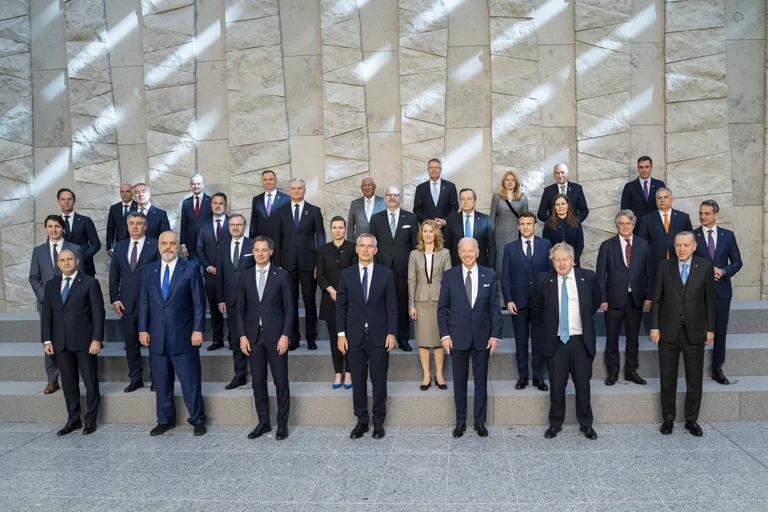
(4 years ago)NATO leaders are expected to reach compliance with a major reinforcement of the alliance on the eastern side when they meet in Madrid on Wednesday. The purpose of this decision is to strengthen the alliance, following the Russian invasion of Ukraine. This decision constitutes the key “changes in pre-emption and protection”, within the alliance, the Secretary General [...] has said.
The purpose of this decision is to strengthen the alliance, following the Russian invasion of Ukraine.
This decision constitutes the key “change in pre-emption and protection”, within the alliance, the secretary general has said. NATO, Jens Stoltenberg, begins the three-day summit.
He has said in some preliminary remarks that the decisions of this summit will make the deepest review of the policies for defence from the Cold War.
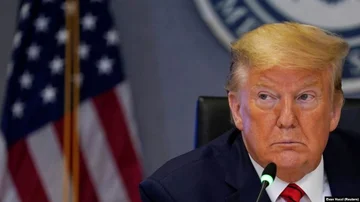
The war in Ukraine has created a new atmosphere within the Western alliance, after several years of internal disagreement and mounting tensions between the United States and Europe, at the time that Donald Trump has been president of the US.
French President Emmanuel Macron mentioned in 2019 that NATO was facing “brain deaths”, as dilemmas of the route the alliance was taking.
The chaotic end of the 20-year intervention of the US and NATO in Afghanistan has slightly affected, while the war in Ukraine has stressed the alliance's key goal -- collective protection.
Russian invasion in Ukraine “has made it even clearer” how important NATO is for the future, Spanish Prime Minister Pedro Sanchez has said at the start of the meeting.
Besides the new spirit, NATO will also accept new members, as Sweden and Finland have decided to abandon neutrality and join the alliance after the launch of the Russian occupation.
Turkey has agreed Tuesday to lift its veto of the membership of both countries in NATO, following the signing of pledges by Sweden and Finland for fighting terrorism.
Ankara has rejected the membership of these two states for several weeks, accusing them of supporting the Kurdistan Workers' Party (PKK) and the YPG, a Syria-based Kurdish militia.
Ankara considers both of these organisations terrorist.
On Wednesday, the trans-Atlantic alliance is expected to reach agreements to position more equipment close to Russia, including heavy arms, increase the number of NATO troops in Eastern Europe, and increase the number of high alert forces from 40,000 to 300,000.
NATO allies are still finalising the composition of troops that will be engaged in Eastern Europe, as some member states want to avoid permanent bases due to major costs.
Baltic, especially Estonia, has pushed NATO to change tactics after the Russian invasion in Ukraine and ensure full protection of territory in Eastern Europe.
The Western Alliance of 30 member states is also expected to be hired for a strategic concept that highlights NATO missions and tasks.
The latest policy update was made in 2010.
Russia is expected to be classified as the biggest threat to NATO in the next 10 years, as well as mentioned China for the first time.
NATO partner countries in the Indo-Peacemaker region Australia, New Zealand, Japan and South Korea are participating in the summit, a sign that the war in Ukraine has taken full attention of the alliance.
NATO member states are planning to show commitment that they will help Ukraine over the long term with equipment, training and modernisation of Soviet military equipment.