10 minutes ago
June 14, World Blood Givers Day
Periskopi(4 years ago)
(4 years ago)Each year on June 14, organizations around the globe celebrate World Blood Givers Day. An event that raises awareness of the importance of donating blood. From plasma treatments to urgent research and use, blood donation has been an important cornerstone that has in some cases helped the world. Richard Lower [...]
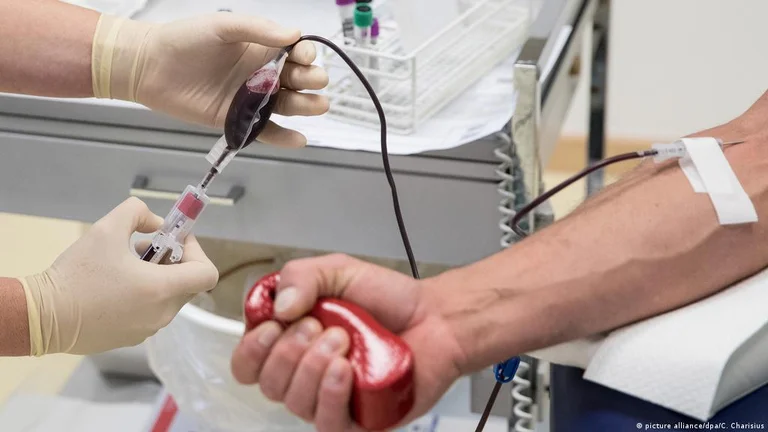
Each year on June 14, organizations around the globe celebrate World Blood Givers Day. An event that raises awareness of the importance of donating blood. From plasma treatments to urgent research and use, blood donation has been an important cornerstone that has in some cases helped the world.
Richard Lower was the first to examine the phenomenon of animal blood donation. He succeeded in successfully transforming blood between the two dogs without apparent harmful effects.
This phenomenon developed slowly from that point, breaking taboos and leaving the animal experimentation. From progress in transfusion technology at Carl Landsteiner, who discovered the ABO blood - type system to better determine donors, blood transfusions soon became a major element in health and medical topics.
Following World Health Day success in 2000, which focused on donating blood and receiving transfusions, health ministers from around the world made a unanimous statement in May 2005, during the 58th World Health Assembly, to appoint World Blood Giver Day as an annual event held every June 14th, choosing Landstein's birthday to commemorate it.
Blood equipment is installed in schools, institutions, and jobs. People are informed and make sure that the blood - donation process will be safe and can contribute to the saving of one's life.
World Blood Givers' Day aims to raise awareness about the need for regular blood donations, important to maintain the health industry with a stable supply, and to celebrate the unremitting work of medical professionals working in research and development for new technology and use for blood donation, as well as medical teams using blood on regular grounds. This day is also used to thank donors for their service and determination to save lives and make the world a better place.