13 minutes ago
Customs- Analyst Union comment on the agreement: The Problem Untariff barriers and dual standards
Periskopi(4 years ago)
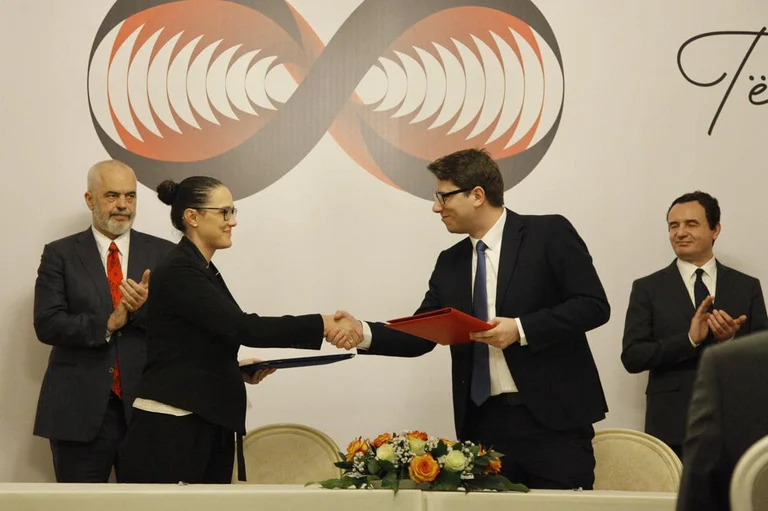
(4 years ago)At the joint meeting between the Kosovo government and Albania, the agreement today agreed that paves the way for customs union and trade facilities in the countries. At a discussion this evening in To Channe, analysts agree that co-operation between the two governments is positive, but more work is needed to resolve certain issues [...]
At a discussion this evening in To Channe, analysts agree that co-operation between the two governments is positive, but more work is needed to resolve some issues such as non-dogan tariffs and the implementation of the same standards between the two countries.
The long customs co-operation process does not end with a signing of” alone, says Berat Rukiqi, chairman of the Kosovo Economic Ode.
The issue that creates conflict has to do with non-tariff and technical barriers. We've been arguing about milk, cement, wheat. It's not just the trainers of Albania and Kosovo. It is the trainers who come to Dupartres and pass to Kosovo to later go to other states”, argues economics journalist Bardh Seydarasi.
However, the journalist adds, agreements between the two countries have been realised and more will is needed on the sides.
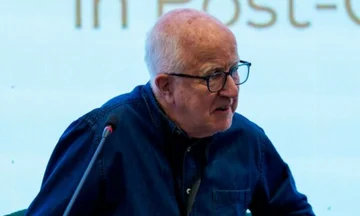
Professor Ardian Civic points out that “we have to accept common standards for both countries, while non-tariff barriers are and are among the countries of the region itself”.
On the other hand, Deputy Finance Minister Besart Kadia estimates that the signed agreement will reduce 90% control of the vehicles carrying goods.
And the time it took for the training to scan. It's decided that, from 100%, control is done at 10%. So, under the risk, only part of them are checked. This is positive”.
The agreement was signed today in Pristina for projects of importance in infrastructure and energy, putting the focus mainly on the development of the new Durres Port, which is expected to have the Dry Port in Pristina as well as the Pristina-Durra Railway project.
The sides expressed commitment by signing other agreements in the field of agriculture, tourism, health, education and public security, whether in exchange of information or even experiences between the two countries in these sectors.
The parties have signed about 127 agreements during government meetings over the years, but only 65 are so far being implemented.
The signing of new memorandums of co-operation comes in the wake of efforts to facilitate more and more the lives of citizens among countries.