9 minutes ago
In Albania, remittances reach highest level since 2008
Periskopi(4 years ago)
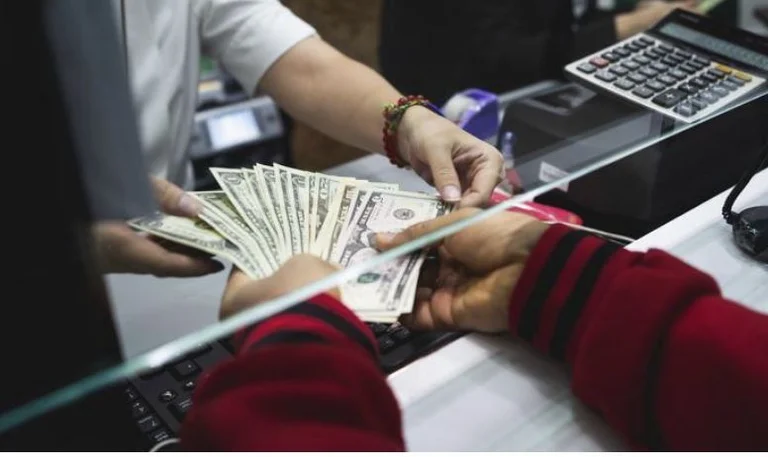
(4 years ago)Migrant remittances demonstrated a positive trend again in the first quarter of this year. According to Bank of Albania figures, remittances were worth 184m euros, up by 8.9% compared to the first quarter of last year. This value simultaneously represents the highest level marked for this period of the year, [...]
According to Bank of Albania figures, remittances were worth 184m euros, up by 8.9% compared to the first quarter of last year. This value simultaneously represents the highest level marked for this period of the year since 2008.
Migrant shipments are following a new cycle of growth, largely due to the new migration wave of the last decade. Last year, these shipments reached the value of 761m euros -- the highest level since 2009.
The first wave of mass Albanian immigration began after the fall of the communist regime, and the large number of Albanian displaced abroad became an important source of income for their families in Albania and the Albanian economy as a whole.
This cycle appears to have reached the peak in the first decade of the new millennium, as emigrants who left in the years of dealt with immigrants built a life outside Albania and gradually weakened ties with their families in Albania. But, especially after 2013, a new migration cycle started, increasingly involving educated young people who are exploiting the need for specialised jobs in different EU countries, especially Germany.
According to Insta's estimates, Albania has a diaspora of approximately 1.7 million people, of whom almost one million are scattered to various European countries.
A survey by the Bank of Albania and the World Bank has shown that about a quarter of Albanian households receive remittances, while about 6% of households have no other source of income. Otherwise, there are more than 400,000 Albanian families that survive only through remittances. For about 60% of households receiving remittances, remittances are less than 1,200 euros a year or 100 euros a month.
Meanwhile, families receiving remittances spend about 69% of their monthly income on food. By combining this information, we can conclude that for many families remittances are the source of survival.
At the macroeconomic level, remittances are an important voice in narrowing the country's current account deficit, which is largely determined by the large trade deficit in goods. Last year, the country's current account deficit reached about 1.2 billion euros.
In the absence of remittances, this deficit would have reached the borders of two billion euros or about 58% more.