13 minutes ago
Nike leaves Germany's Russia in China
Periskopi(4 years ago)
(4 years ago)On one side of the conflict between Russia and Ukraine, which does not seem to end, and on the other hand, a new pandemic phase that hits China and Asian countries in general. It is the main factors that challenge the activities of multinational Western companies operating on international markets. There is something like that [...]
On one side of the conflict between Russia and Ukraine, which does not seem to end, and on the other hand, a new pandemic phase that hits China and Asian countries in general. It is the main factors that challenge the activities of multinational Western companies operating on international markets.
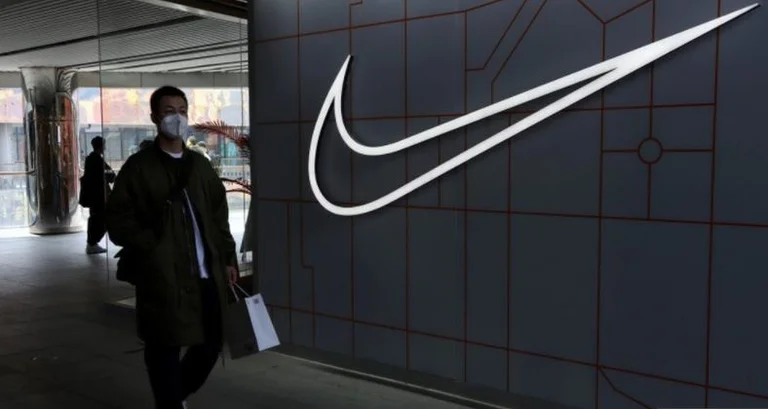
That's what happened to firms known as McDonald's, the Starling Renault who left Moscow. Now, Nike claims he will not sell his products in Russian territory anymore, but also Airb, who will leave Beijing on July 30th.
The renowned American brand of sports dress has not renewed agreements at 37 of its stores in Russia. Some stores in Russia still result in open but only because they do not directly connect to official sales channels but are managed by independent partners. Nike's decision was not surprising after it was preceded by other enterprises, forcing Russia to return domestic production, with serious consequences for society, especially for new generations.
Airb, the long - or short - term housing rental company, was the only large company still in China but has now decided to discontinue its activity since 2016, when the company counted 25 million reservations on average. A move that makes Beijing more clear and clear from the rest of the world to the field of technology.
One of the main reasons for this decision is strong competition with local apps that set lower tariffs and result in better customer performance at the end. But what accelerated the decision is also strong censorship that the government applies to harm the activities of foreign economies in China, but also the pandemic and new isolation that made more difficult and more activities.
According to the United Nations World Tourism Organization, Chinese travelers abroad had grown three times as much in less than ten years before pandemic. Total in 2019 was 155 million. Since 2020, however, the entire set of restrictions imposed by the country due to emergency COVID-19, among the most severe in the world, has made travel toward China increasingly difficult.
In this context, Airb has announced that it will keep Beijing's office open, but it will remove 150,000 lists across the country from six million worldwide starting on July 30th. Although the tourism sector is in a recovery phase, attitudes in the country make up about 1 percent of Airb's business in recent years. The company generated $6 billion last year, 77 per cent more than a year ago, but is now under pressure to earn more after shares dropped by 34 per cent this year.