15 minutes ago
Why does the IMF object to withdrawing money from the Trust and releasing the electricity? Periscop explains briefly
Periskopi(4 years ago)
(4 years ago)In recent days, Kosovo's opposition has been caught in two words, let's call it causes: Trust and as they call it victory over electricity tariffs. Both oppose the most important financial institution, the International Monetary Fund. What are the reasons? Shit. Yesterday in Kosovo it was protest against the withdrawal of a sum [...]
Shit.
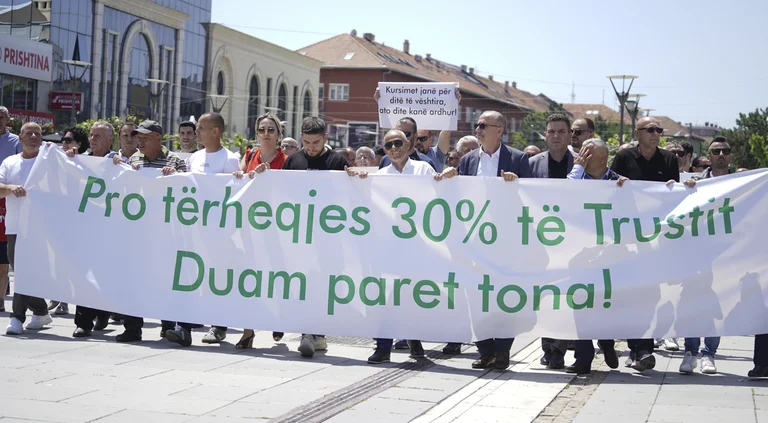
Yesterday in Kosovo, there is protest against the withdrawal of a sum of money from the Trust. At the same time, this is the request of the Kosovo opposition, which requires the Law that would enable citizens to withdraw their money, the proposed percentage: 30.
The ruling party, Vetevendosje, strongly opposes this proposal. But there are also those amongst economic connoisseurs who oppose such an idea.
The mission of the International Monetary Fund (FMN), led by Gabriel Di Bella, has completed the staff's visit to Kosovo between May 10th and May 20th, where the latest economic developments, prospects, and policies were discussed.
In his statement, Di Bella has announced that opposes attracting money from the Pension Trust of Savings, the proposal, recently given by opposition parties in the country.
He has talked about new energy tariffs in February, about what he said. They were the right policy movements.
IMF “ Strong opposition to additional withdrawals from the private pension savings fund (TKPK) since these would constitute Heavy crackdown on pension system sustainability and would significantly reduce the real value of future pensions”, Di Bella said.
Other explanations from Di Biella of the IMF.
“also, these withdrawals would be translated into major compression of local capital markets, seriously compromising budget financing and debt sustainability. Authorities have responded quickly with subsidies for agricultural inputs, salaries bonuses and temporary pension increases and social transfers. At the same time, authorities have refrained from tax cuts, from which, unproportionally, they benefit people in better economic situation and are expensive and difficult to restore. The increase in electricity tariffs in February to reflect the biggest electricity import bill, along with the implementation of electricity subsidies for about 20 percent of the family economies, were also relevant policy movements. Insulting the increase in the fee would lead to greater current account deficits and constitute serious budget burdens”, he said. /Periscopi