7 minutes ago
EU is preparing oil embargo sanctions against Russia
Periskopi(4 years ago)
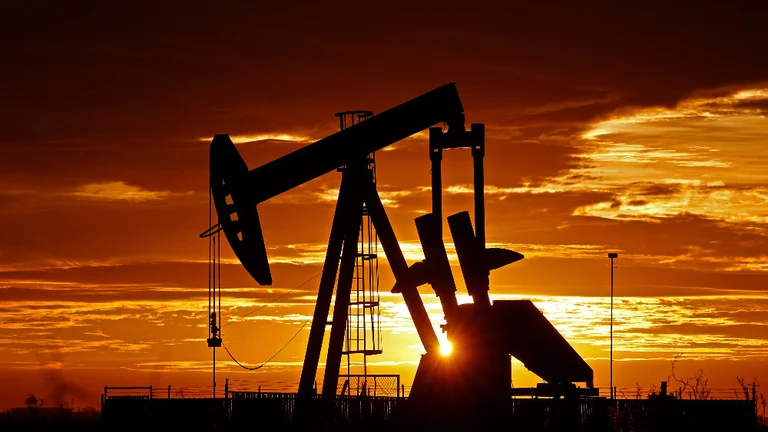
(4 years ago)The European Union is preparing to impose sanctions on Russian oil imports due to the attack in Ukraine following a major change Monday of Germany's position, which could lift Moscow from a large source of revenue within days. The European Commission is expected to propose a sixth package of sanctions this week [...]
The European Commission is expected to propose a sixth package of sanctions this week, including a possible embargo on the purchase of Russian oil.
On Monday, German officials announced that their country was willing to support an immediate Russian oil embargo on the part of the European Union. Germany is the country with the largest consumption of Moscow energy products.
Russian energy exports, Moscow's biggest source of income, have so far been excluded mainly from international sanctions related to the war in Ukraine. Kiev says it means European countries are financing the Kremlin war, sending Moscow hundreds of millions of euros every day.
“la has come to a situation where Germany is able to afford an oil embargo”, German Economy Minister Robert Habeck said in Brussels on Monday, where he met with his EU colleagues. “This does not mean that it will be a decision without consequences”, he added.
Chancellor Olaf Scholz, who has been more cautious than other Western leaders in supporting Ukraine, has been under increased pressure to take a harsher stance, including members of his own ruling coalition.
In an interview broadcast Monday, Mr. Scholz said the sanctions would remain in force until Russian President Vladimir Putin signs a peace agreement with Ukraine.
“We will not withdraw sanctions unless he achieves an agreement with Ukraine and he will not achieve it through a perceived peace”, Mr. Scholz told public television ZDF. He added that Germany would also not accept the annexation of the Crime from Russia.
Ambassadors of EU countries will discuss proposed sanctions on Russian oil during a meeting Wednesday.
“It is possible to give up Russian coal and oil imports”, Finance Minister Christian Lindner told the newspaper “Die Welt”. “cannot be excluded from the fact that fuel prices could increase”, he added.
Meanwhile, Germany had reduced the amount of Russian oil imports to 12% from 35% before Russia attacked Ukraine on February 24th, but had said it would take months to gradually remove Russian crude oil and that it would reduce its impact on the country's economy.
The eastern part of Germany in particular relies on the fuel provided by a refinery owned by the Russian state oil company “Rosneft”, which is transported by the Soviet-era gas pipeline “Society”, which extends thousands of miles to the oil fields in Siberia.
Releasing Russian oil will likely be easier than reducing Europe's dependence on Russian natural gas. Moscow has demanded that European customers pay off gas in rubles, which the EU has rejected. Last week, Moscow cut off supplies to Poland and Bulgaria. During the European Union ministers' meeting on Monday, a joint response to the issue was discussed. / VOA