8 minutes ago
Kastrati: Police attack in the north, Serbia's revenge for Kosovo election failure
Periskopi(4 years ago)
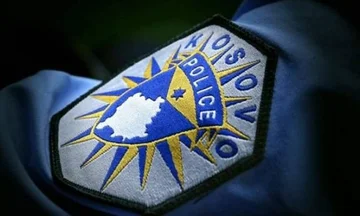
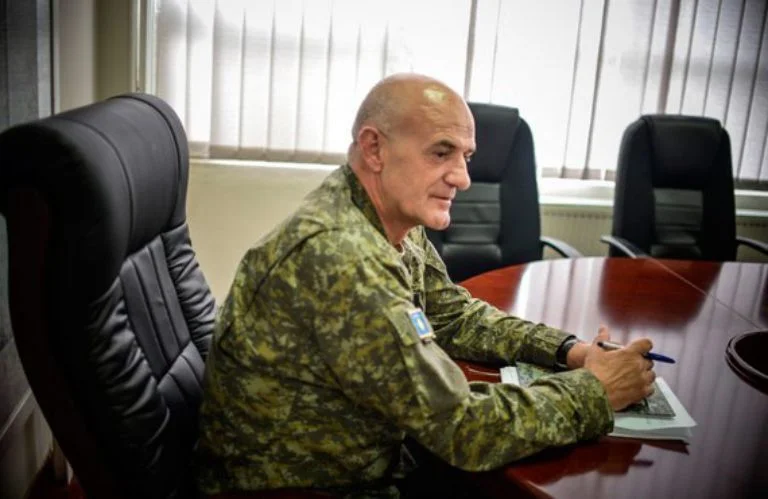
(4 years ago)Four attacks on Kosovo Police officials have occurred in the last three days in the northern part of the country, where various weapons and vehicles have been used. Former KSF Commander General Kadri Kastrati says attacks on the Kosovo Police in the north have its source in Belgrade. RTV Katra Dukaagini has said [...]
Former KSF Commander General Kadri Kastrati says attacks on the Kosovo Police in the north have its source in Belgrade.
The RTV Katra Dukaagjini has said the goal of the more than military attack was political.
“I think this is the kind of revanscism of Belgrade, or has been given permission to Serbs in Kosovo to use more weapons and combat tools because Kosovo Serbs have not been given permission to hold referendum and elections in Kosovo”, he said.
The general doubts Serbia has realised it is on the verge of extraordinary international pressure to reach a final agreement to recognise Kosovo.
Serbia wants to prolong the current situation, or make it worse. I think this is a political background”.
However, Kastrati says what happened in the north is even more related to what is happening in Bosnia, and all of this comes from Russian services.
Former KSF commander says Serbia is provoking Kosovo security structures with such actions
Serbia's “Actions are known, as they have also begun in Bosnia, Slovenia and Croatia with some slight provocations. These want to provoke Kosovo and its security institutions”, Kastrati said away.
Kosovo's north continues to remain one of the country's least controlled areas. In various international reports, Kosovo's north is particularly cited as a grey zone and covered by illegal activities.
In December last year, the United States imposed sanctions on an organised crime group with headquarters in northern Kosovo.
The group led by Serbian businessman Zvonko Veselinovic, whom the Treasury Department named as chief of the organised crime group and one of Kosovo's most notorious corrupt figures.
This group is also accused of dealing with politicians in northern Kosovo to help their victory in elections and financial support for them, as well as illegal trafficking of goods, money, narcotics and weapons between Kosovo and Serbia.