4 hours ago
Hungary holds parliamentary elections, close race worries Orban
Periskopi(4 years ago)
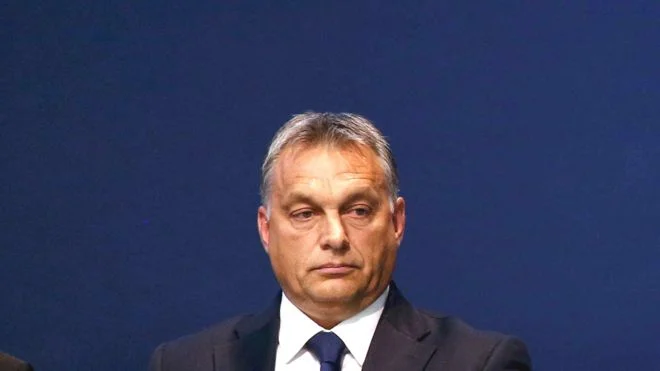
(4 years ago)Hungarians vote on April 3rd for parliamentary elections, presenting the biggest challenge for Prime Minister Viktor Orban in his 12 years of rule. Unlike previous elections, the Hungarian opposition has joined a coalition and aims to remove Orban and his party, Fidesz, from power. Polls say Fidesz [...]
Unlike previous elections, the Hungarian opposition has joined a coalition and aims to remove Orban and his party, Fidesz, from power.
Polls say Fidesz and his partners have a close advantage over the six opposition parties that have come together.
In these fair voting elections, there are 8 million people, but an important part of the electorate has been declared undecided in recent days of the campaign.
The tight race raises concerns that Orban will not respect holding fair elections.
In an unprecedented movement for European Union states, the Organisation for Security and Co-operation in Europe (OSBE) has deployed an election monitoring mission, following concerns that there might be manipulation of votes and use of state resources that would give an unfair advantage to the ruling party.
Meanwhile, domestic issues have remained in shadow during the campaign, which was dominated by war in Ukraine, a state bordering Hungary.
Even though Orban has generally backed Ukraine, he has refused to allow NATO's weapons to be transferred through his country to Ukraine, saying Hungary must stay out of the war.
That message, according to opposition leader Peter Marki-Zay, has made the 3 April vote simple:
“The question is clear: [Russian President Vladimir] Putin or Europe”.
Marki-Zay, 49, during an interview with the Hungarian Radio Free Europe Radio Service, called Orbanin “Ruditar”, which according to him is putting Hungarians at risk.
I keep saying we have to stop Putin, not Brussels. Let's just be on the right side of history once, let's just be on the side of victory”, he said.
Meanwhile, Orban has used the struggle to mix conservativeism and nationalism, which has allowed him to rule in the past 12 years, with the so-called super majority in Parliament, as there have been at least two-thirds of the seats allowing Fideszi to make changes without having to vote opposition.
During a rally on April 1st, Orban warned that an opposition victory would lead weapons to go to Ukraine “the next day”, while energy imports from Russia would be suspended, which, according to him, would harm the Hungarians and the country's economy.
He has also criticised Ukrainian President Volodymyr Zelensky, who has criticised the Hungarian government for ties with Moscow.
The “The elections are always important, but with the war and the possibility of an economic crisis in Europe, the risk is higher than ever --”, Orban said during an interview given April 1st for Radio Kossuth.
In addition to general elections, Hungarians on April 3rd also vote for the referendum on community issues LGBTQ, after Hungary voted a law last year, dubbed homophobic.
The eferendum will include questions about the school's sexual education program and access to information for children about gender change. / REL