13 minutes ago
America responds to Kim Jong nuclear threat
Periskopi(4 years ago)
(4 years ago)North Korean leader Kim Jong announced during a parade for his country's 90th anniversary that his regime “will continue to take steps to strengthen and develop nuclear capabilities at a faster pace of”. These goals have already received an answer from the United States. [...]
These goals have already received an answer from the United States.
State Department spokesman Ned Price has stated that, regardless of what he himself has described as “approval” from North Korea, the United States “is left open to diplomacy and dialogue with North Korea” to end its nuclear programme.
However, Price stressed that “we also have an obligation to respond to recent provocations from North Korea, and in particular to two ballistic missile concessions”.
State Department spokesman, on the other hand, has stressed that these statements by Kim Jong confirm the idea of the United States that the North Central “poses a threat to international peace and security”.
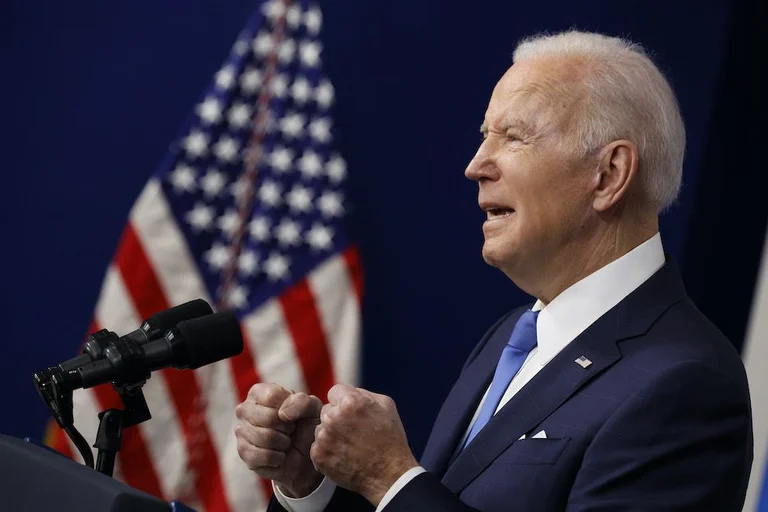
American President Joe Biden has repeatedly shown his will to dialogue with North Korea. However, the regime of this country has shown little interest in holding talks after three high-level meetings held with Biden's predecessor, Donald Trump.
In view of these refusals, the US does not rule out taking measures against North Korea for its actions, such as last month's test of an interccivil ballistic missile (first carried out by Kim Jong's regime since 2017).
In the act, a draft UN Security Council resolution, presented earlier this month by the United States, and in which the AFP agency had access, envisions the tightening of sanctions against jinn. These will include a reduction of four million to two million barrels of oil that North Korea can import annually for civilian purposes.
The draft resolution, presented to the 15-member Security Council, will also impose restrictions on North Korea exports, including mineral fuels and watches.
However, China (the closest ally of North Korea) and Russia (which relations with the West have deteriorated rapidly due to the invasion of Ukraine) so far have refused to discuss such an initiative. The two countries have the right to veto the UN Security Council, so the resolution could not be realised without their approval. /A2 CNN