11 minutes ago
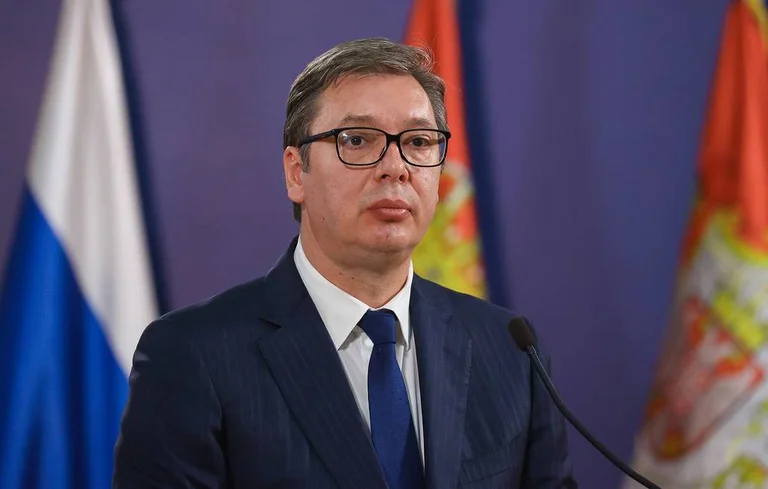
Alexander Vuciq wins Serbia's elections
Periskopi(4 years ago)
(4 years ago)The current Serbian president, Aleksandar Vucic, is the winner of Sunday's elections in Serbia, where he faced an opposition pledging to fight corruption and improve environmental protection. President Vucic thus secured a second five-year term amid the promise of peace and stability, while Russian aggression in Ukraine has imposed [...]
President Vucic thus secured a second five-year mandate amid promise of peace and stability, while Russian aggression in Ukraine has put Serbia under Western pressure to choose between its traditional ties with Moscow and aspirations to join the European Union.
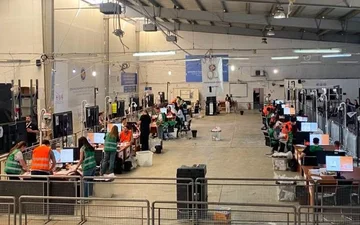
Observers said that voter turnout until 7: 00 p.m., an hour before the closure of polling stations, was 54.6 percent, a significant increase compared to 44.9 percent in 2020.
The first official results are not expected before Monday evening, but polls speak that President Vucic is the winner in the first round, while the second ranks Zdravko Ponos, a retired general.
The opposition largely boycotted parliamentary elections in 2020, allowing Aleksandar Vucic's Serbian Progressive Party and its allies to hold 188 seats in parliament with 250 MPs.
The Russian aggression in Ukraine on February 24th exerted great influence on the campaign in Serbia, which is almost entirely dependent on Russian gas, while its army maintains ties with the Russian Army.
The Kremlin also supports Belgrade's opposition to Kosovo's independence.
Although Serbia supported two UN resolutions condemning Russian aggression in Ukraine, it refused to impose sanctions against Moscow.
A veteran politician who served as minister of information in the late 1990s in the government of former Serbian President Slobodan Milosevic, Aleksandar Vucic, claims to have turned from a hot nationalist into a follower of membership in the European Union, but also military neutrality and ties with Russia and China.
Opposition and humanitarian organisations accuse him and his allies of an autocratic style of rule, corruption, nepotism, media control, attacks on political opponents and links to organised crime. President Vucic and his allies have repeatedly denied those charges.
Albanians in the Presevo Valley had the opportunity to choose between 20 candidates for deputies from “The coalition of Albanians in the valley” led by Shaip Kamberi, who has so far held the MP's post and <x2). The Albanian Democratic Alternative”, which is led by Shqirim Arifi, former mayor of the Presevo municipality.
Following the 2020 elections, Albanians from the Presevo Valley are represented by three deputies in Serbia's 250-seat parliament, and political representatives hope to repeat this representation despite internal divisions.
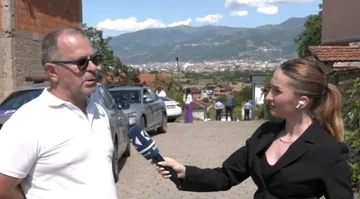
Voter turnout in the Albanian-run populated region was low, while observers said the ballot boxes for Serbia's president were almost empty. / VOA/