14 minutes ago
Sunflower oil and bunkers: Germany in Fear of War
Periskopi(4 years ago)
(4 years ago)War in Europe has returned, and with that, fear in Germany. What effect does Russian aggression against Ukraine have on the Germans, and how are the Germans prepared for disasters? Climate change, Corona pandemic and if these are not enough, Russian aggression against Ukraine has covered everything, bad news is increasing. An atmosphere of crisis is [...]
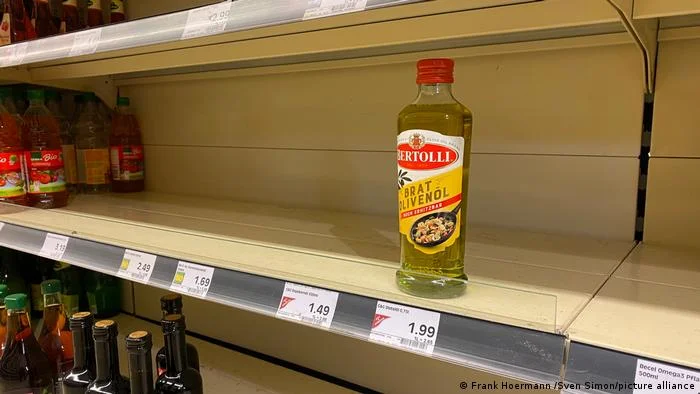
Climate change, Corona pandemic and if these are not enough, Russian aggression against Ukraine has covered everything, bad news is increasing. An atmosphere of crisis has spread to Germany. As a meter for a frightened country, empty shelves have been turned into supermarkets, restrictions on pasta and yeast.
The weeks and months to come, “expects restrictions on the flow of goods like sunflower oil, freedom, and soybeans from the conflict region”, warns the Oil Processing Industry Association OVID. Ukraine and Russia are the main exporters of sunflower oil. Germany covers 94% of the need for these products from import. Because of concern that there may be a shortage of such food items, supplies of flour and pasta are being collected. Although no alarm has been given for these products, DW reports.
According to a Forsa survey, 69% of respondents fear that NATO, and with that, Bundeswehri can be involved in war. According to Germany's recent Trend survey, many questioned are of the opinion that this conflict will leave a trace in Germany. 64% are expected to worsen the economic situation. So far German citizens were confident in the future, but the war, which can partly be pursued live in social and geographical media, is so close it has emotionally affected the Germans.
On the phone to talk about fear
Much more often than before, psychological advice is being sought. The demands have become very intense”, Christina Zajackovski of the Kölni centre says. Every fifth call is related to the fear of war that can extend as far as Germany, fearing that a home might be bombed or that something would happen to loved ones. For those calling it is soothing “to talk about their fears and pronounce the most frightening fantasies related to war”, Zajaskovski says.
This “generation in peacetime has removed everything. Now these have become current”, says Thomas de Vacroi for DW. Evangelist Church in Neukölln, Berlin leads “Haus British”, an institution for relief for the elderly. “They are very afraid, that the red line and NATO are overstepped and everyone sees only horror. I have to say frankly, I'm afraid of that too. ”
What's going on in the world? ”
The elderly in “Haus British” have no fear of themselves, but also of children and grandchildren, Valchro says. After the experience of war in 1945-1955 they say that my <x2-seconds cannot afford what we have experienced after the war. To endure hunger, to seek food in fields, not to wear clothes. ” That worries them a lot, says Vachro. “They sit in front of you and say, 'Lord, what's going on in this world?
Reactions that the head of the World Mine Association, Frank Ulrich Montgomery, takes seriously. The important thing is for people who fear war to be taken seriously and not minimize those emotions”, he says of the media group, Funke Mendengrouppe.
Preparation for Disaster
Reasonable arguments certainly do not arrive these days called <x0 pret” those who for years prepare for extreme disasters because they always think the worst. The Internet introduces backpacks with survival materials, iodine anti-radicity pills, or power generators. A user extracts the video “Russian-Ukrainian War- What Should You Do Now?” Others publish videos on how to survive an atom accident emergency.
Fear is good for business. The security branch experiences a real boom. At “The Bunker Protection Space Systems for Germany, B The SSD in Berlin has multiplied questions. “So far clicks on our website reached 100 to 300 clicks a day, now they get the number of 10,000 clicks”, says the centre's leader, Mark Schmiechen. Questions begin with hidden steel spaces and continue with bunkers protecting you from atomic attacks. B The SSD offered a six-phone hotline for that reason. We had 10 phone calls per hour “, Schmichen says.
IT institutions fear cyberattacks
The fear of many Germans relates to cyberattacks and the collapse of the power and water supply in case of a Russian hacker. Defence Minister Nancy Faser appealed for this risk to be taken seriously. The Federal Information Technical Safety Office is also alarmed. The defence authority from cyber attacks in a statement has indicated that the way Russian forces are north or those of the secret services “is linked to a significant risk of successfully attacking IT infrastructure”.
The Federal Office for the Protection of Population, the BBK told DW, that it is a legally possible “ ” a power supply break in the event of a hacker attack. Two years ago, there was ridicule when this office recommended holding reservations for 10 days. Now the requests to this institution have multiplied and he has offered a special post-war address book on the website and a special post-war feature in Ukraine. Many have considered the current threatening situation to be impossible, “but not Bundeswehri, and not us, even because of the task we have as institution”, the BBK explains. In that sense, nothing differs from the preparation scenarios, but “the intensity of the preparations”.