10 minutes ago
BRDH Dark Forecast for Balkan Economy
Periskopi(4 years ago)
(4 years ago)The European Bank for Reconstruction and Development (BERZH) has revised with reduced expectations for Albania's economic growth for 2022 as a result of the consequences it will yield in Russia's gross domestic production of attack on Ukraine. According to the EBRD, Albania's economy is expected to expand by 3.3% in 2022, landing with [...]
The European Bank for Reconstruction and Development (BERZH) has revised with reduced expectations for Albania's economic growth for 2022 as a result of the consequences it will yield in Russia's gross domestic production of attack on Ukraine.
According to the EBRD, Albania's economy is expected to expand by 3.3% in 2022, dropping by 0.4 percentage points compared to the November projections.
The EBRD is the first institution to review the country's economic growth reduction, in a signal that the effects of the global crisis caused by war will be felt in the country for a long time.
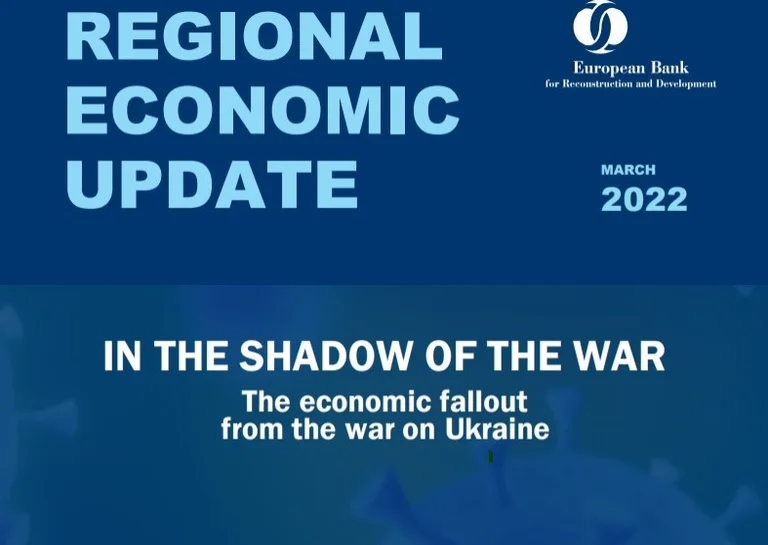
The EBRD predicts that in 2023, Albania's gross domestic product (PBB) will grow by 3.5%, according to the Regional Economic Update report, which addresses the effect of fighting Ukraine in the global economy.
The bank's 2022 economic growth forecast for the Western Balkan region dropped by 0.9 percentage points to 3.2%.
According to the EBRD, all Western Balkan countries will be negatively affected by higher oil prices, some by rising gas prices.
Northern Macedonia and Albania are more exposed than others to rising electricity prices, as they import a substantial amount of energy than exports, the EBRD said.
The Western Balkans can be indirectly affected by a broader European and global recession, given the close links between Western Balkan economies and the eurozone, especially in the automotive sector where northern Macedonia, Serbia and Bosnia and Herzegovina may be the most hit.
INSTAT today released figures for the performance of gross domestic production (PBB) for 2021. According to INSTAT, domestic production Bruto (PBB) increased by 8.54%, to 2021, which is the highest level since 2001.
However, this high growth is linked to the lower base of 2020, when the economy contracted by -3.96%, influenced mainly by industry and transport sectors, accommodation of the food service, which saw and the strongest decline as a result of local and international restrictions to curb pandemic.