7 hours ago
The Economist writes about money laundering at Balkan buildings, mention Albanians
Periskopi(5 years ago)
(5 years ago)The property market makes a good place in the Balkans to hide money acquired dirty. On 12 May, prosecutors in northern Macedonia accused Nikola Gruevski, the country's former prime minister, of money laundering, reports The Economist, Klan Kosova. He was claimed to send cash to donate his party [...]
On 12 May, prosecutors in northern Macedonia accused Nikola Gruevski, the country's former prime minister, of money laundering, reports The Economist, Klan Kosova.
It was claimed that he sent cash voluntarily to his party through Belize to purchase property illegally and hide its ownership. He says the issue is politically motivated.
Meanwhile, in Jahorina, a popular ski resort in Bosnia, gangsters, plus officials they've corrupted, have invested in hotels. All kinds of corruption are widespread. A foreigner who has built half a housing block near his home in Vlora in southern Albania, whose construction is stuck because he refuses to pay bribes to secure necessary permits.
Advertisements
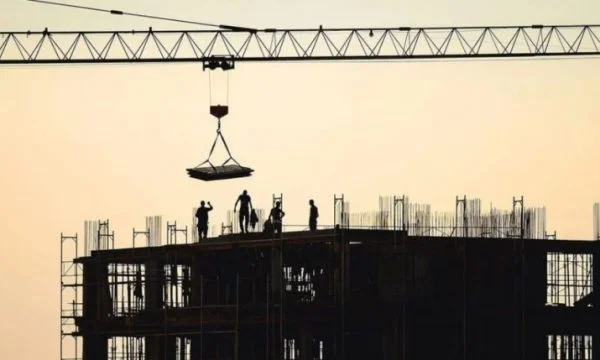
New buildings are being built in Tirana, Pristina and Belgrade. Although Balkan economies have been hit hard by COVID-19, property prices in part of the region have challenged gravity. In Tirana they have more than doubled since 2017. Throughout Albania, the value of real estate transactions increased by 6.7% in 2020.
Drug money laundering, especially from cocaine trafficking, which has flourished in recent years, is one reason the prices are rising, finds a new report by the Global Anti-Organised Transnal Crime Initiative, an international network of crime specialists. Another is that corrupt officials must invest their money. All Balkan countries have sound money laundering laws, but there is no implementation.
In the past decade, crime unions in the Balkans have surpassed their small countries of origin.
They now earn a lot of their money abroad.
Hence, according to the report, much of their profits have been invested abroad. But they still invest in their homeland.
Fatonia Maydini, who helped research the report, says Balkan governments are bad about money laundering. Governments want to combat this phenomenon, but they also welcome the jobs and investments it can bring.
As for gangsters, they're conservatives when it comes to investing them. Those “lack imagination” says Maydini, so they prefer bricks and mortar to other types of business that they can use to clean up their spoils, follows The Economist's writing.