16 minutes ago
European Parliament Seeks to Open Former Yugoslavia Archives Due to Crime Link to Politics
Periskopi(5 years ago)
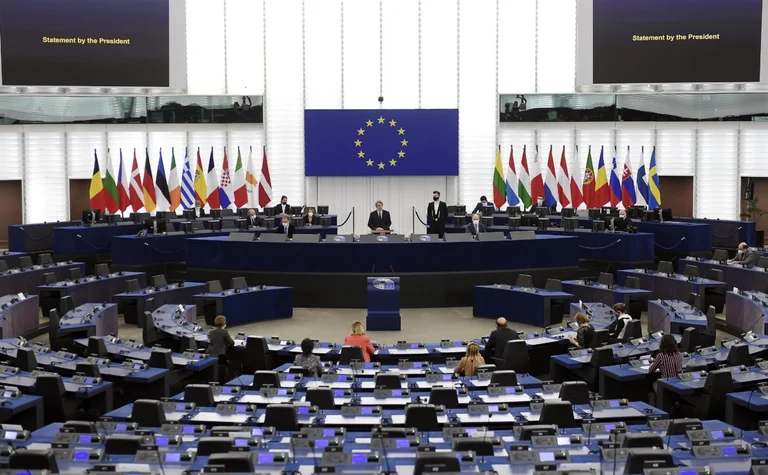
(5 years ago)European Parliament representatives late in the evening voted for co-operation in the fight against organised crime in the Western Balkans. With this document, it is also required that the states of the region open the archives of the former Yugoslavia. In the approved document, Eurodeputs called on the governments of the region's states to step up efforts [...]
In the approved document, the Eurodeputs urged the governments of the countries of the region to step up efforts in the area of rule of law and fighting corruption and organised crime.
For this report, 531 eurodeputs voted, while 48 opposed and 117 abstained.
The approved report says that the Western Balkan states are <x0 states of origin, destination and human-state transitation and serve as transitary corridors for refugee migrants, but there are also areas for money laundering and firearms trading”.
In addition, the document says that the <x0-deputations of the European Parliament, aware of charges of links between high political figures and organised crime groups, through this report, stressed the need to root out political and administrative ties with organised crime through clear measures of protection from corruption and with effective prosecution of high-profile corruption cases”.
“Lituras among organised crime, business policy existed even before the breakup of Yugoslavia and continued until the end of the conflicts in the years, until the MEPs condemned the obvious lack of the will of responsible authorities in the region to open the archives of the former Yugoslavia and files to be returned to governments if they want”, the document reads.
Similarly, the need for Western Balkan states to co-operate and exchange intelligence information with European Union member states and international partners is stressed.
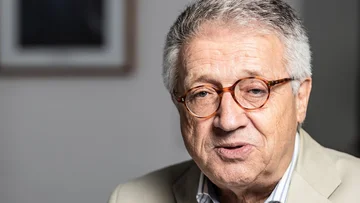
The author of the document, European MP Lucas Mandl, after adopting this report stated that organised crime undermines citizens' trust in their public institutions.
So this presents a major obstacle to societies in the Western Balkans to developing their states and economies. The European Union cannot use organised crime as a rationale for delaying the enlargement process, but must stand next to Western Balkan peoples in their fight against organised crime”, Mandl ordered.
MEPs with this adopted report agreed that the fight against organised crime and integration into the European Union are processes which are empowered among themselves, calling on the European Union to speed up the integration process.
In this context, since isolation promotes criminal activities, MEPs also called on the Council without further delay to approve visa liberalisation for Kosovo.
The main factors that Western Balkan societies make sensitive, according to the report, are the lack of employment opportunities, corruption, dezinforms, the elements of the state's capture, inequality and the blend of undemocratic regimes such as Russia and China.
Accordingly, according to the Eurodeputs, the European Union would have to support these efforts through financial assistance and practical co-operation.