27 minutes ago
25 years after Srebrenica, unbelievers of the most powerful massacre: Now the president denies it.
Periskopi(6 years ago)
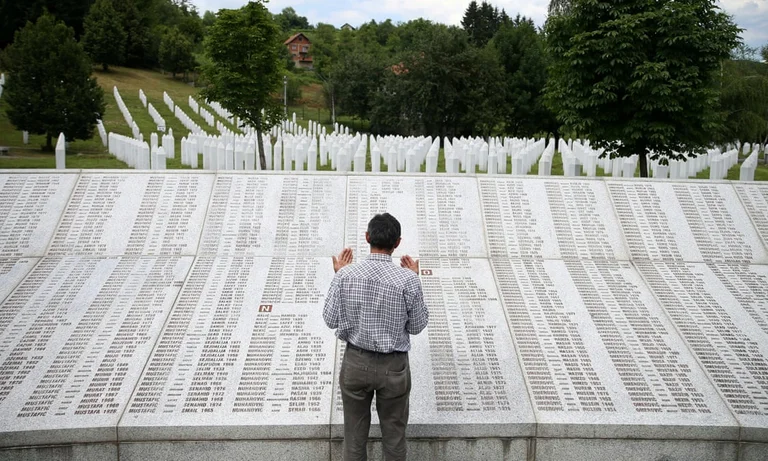
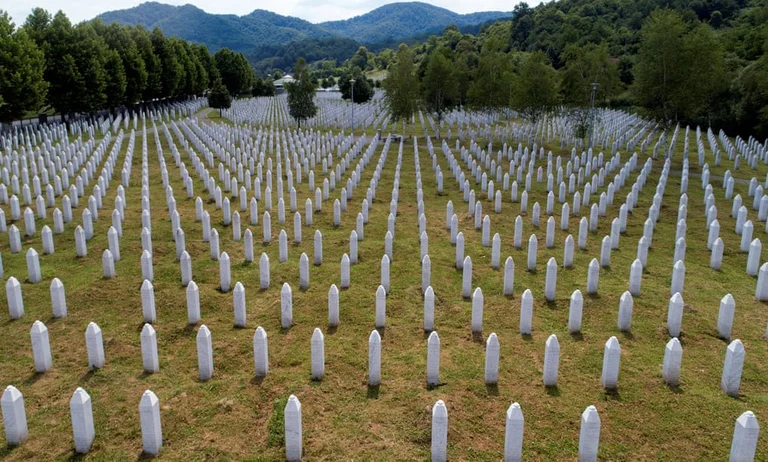
(6 years ago)At the genocide memorial centre outside Srebrenica, thousands of white, simple gravestones lie along the hill for as long as they can see. In the vicinity, during several days in July 1995, Bosnian Serbs systematically killed about 8 thousand Bosniaks (Bosnian Muslims), men and boys. It was crime more [...]
In the vicinity, during several days in July 1995, Bosnian Serbs systematically killed about 8 thousand Bosniaks (Bosnian Muslims), men and boys. It was the worst crime in the Bosnian war, and it remains the only massacre on European soil since World War II that has been designated genocide, writes The Guardian, following Periscope.
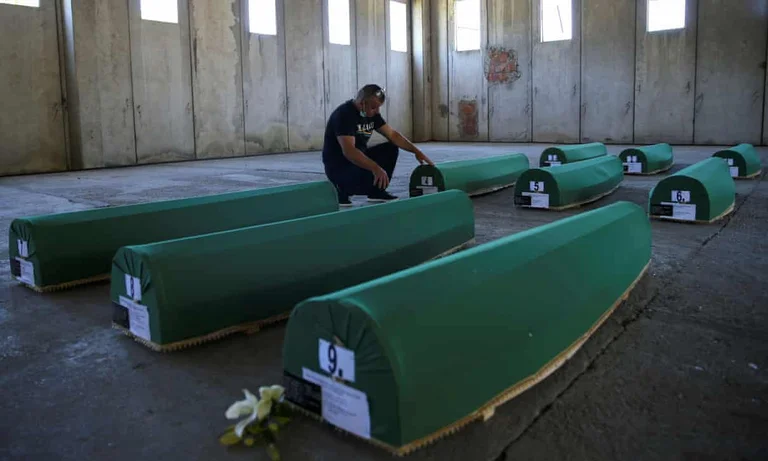
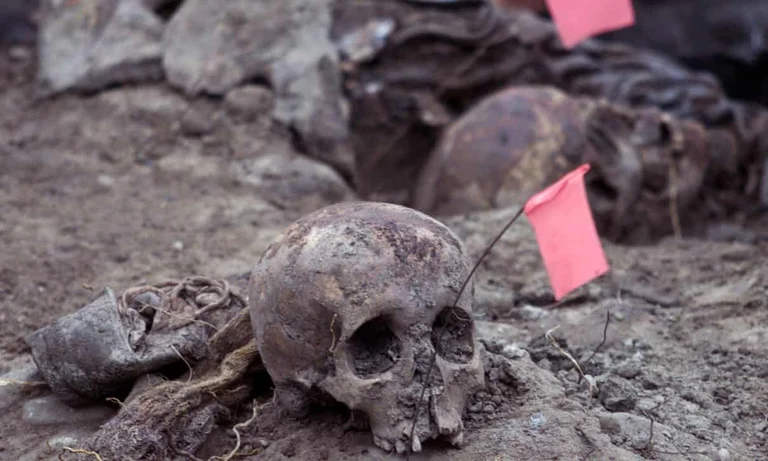
Even today, victims ' remains are being discovered and identified. The cause of a covert crime operation by burying and disseminating remains in mass graveyards, there are cases in which the remains of the same person have been found in five different locations miles away. On the 25th anniversary of the massacre's commemoration, on Saturday, at least eight other victims will rest in this cemetery.
A quarter of a century after that cruel event, however, the truth of what happened in Srebrenica has become the target of a growing chorus denying it, starting from Bosnia itself and lying all over the world, moving from the edge of the extreme right and appearing in the dominant disk.
In Srebrenica, denial begins with its chairman. The current population of about 7 thousand is one fifth of the number of pre-war residents, and now there are more Serbs than Bosniaks, a collapse of the pre-war circumstance and genocide. Four years ago, Srebrenica chose its first Serbian chairman, Mladen Grujicic, and the official rhetoric changed overnight.
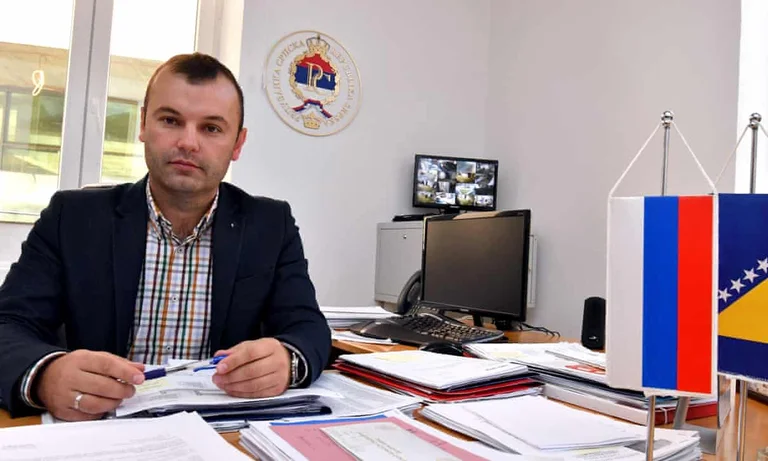
Grujici, 38, a former chemistry teacher who talks with too much energy, has no time to talk about genocide.
No Serb would deny that Bosniaks were killed here in terrible crimes... but genocide means deliberate destruction of people. There was nothing that was done deliberately here,” he said in an interview in his office in downtown Srebrenica.
He was only ten years old when the war started. His father had been killed during the war in a village not far from Srebrenica. Grujici emphasises that there have been victims from all sides in the conflict, which destroyed multi-ethnic Bosnia after the collapse of Yugoslavia.
But what about the international courts which repeatedly analysed the evidence and concluded that there had been systematic massacres around Srebrenica in July 1995 and that this constituted the genome, unlike other war crimes? Unfortunately, all these courts have been biased against Serbs, and this has only increased divisions here,” he said. He never visited the memorial of genocide, which is only five minutes from his office.
His stances are in line with most of Republika Srpska's Serb politicians, the dominant Serbian entity that constitutes half of Bosnia's complex post-war political system. Milorad Dodik, the Serb member of Bosnia's tripartite presidency, has called the Srebrenica genocide a proposed “m”, and Republika Srpska authorities have established a commission to investigate the events. In its report, late this year, the crimes of Bosnian Serb forces are expected to be covered.
“This is the next phase, even worse than denying genocide: trying to create a new historical reality,” said Serge Brammertz, who had spent nearly a decade as chief prosecutor at the International War Crimes Tribunal for the former Yugoslavia in The Hague. Tribunali had convicted Bosnian Serb political leader Radovan Karadzic and Army Commander Ratko Mladic of genocide, war crimes and crimes against humanity.
Genocide has long served as inspiration for extreme right extremists and Islamists. The mosque attacker at Christchurch in New Zealand last year had heard a song praising Karadzic shortly before the attack, and years earlier Anders Breivik had also sought inspiration in the Balkan wars and Serbian ultra-nationalistism.
Finally, however, the genocide dispute has received greater support in public debates. The most irritating of the survivors was when Austrian writer Peter Handke was awarded the Nobel Prize for Literature. He had made an apology at the burial of Serbian leader Slobodan Milosevic, and had made a number of statements revisions about Bosnian war events that led to charges of denying genocide.
At a press conference before receiving the Nobel Prize, Handke had accepted a question about the Srebrenica massacre. Had it happened, according to him? He called the question “boshe and inert”.
You can read the complete article from The Guardian THESE.