5 hours ago
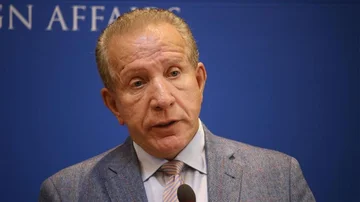
Thaci's adviser reacts to Nagavci: Authorisation for international agreements ministers receive from president, not Kurti
Periskopi(6 years ago)
(6 years ago)President Thaci's political adviser, Adil Behraj, has responded to Parliament Speaker Arberie Nagavci, who earlier said that someone should explain to President Thaci that he should first respond to Prime Minister Albin Kurti's invitation to consult with counsel, to make sure he understands what the foreign policy is that [...]
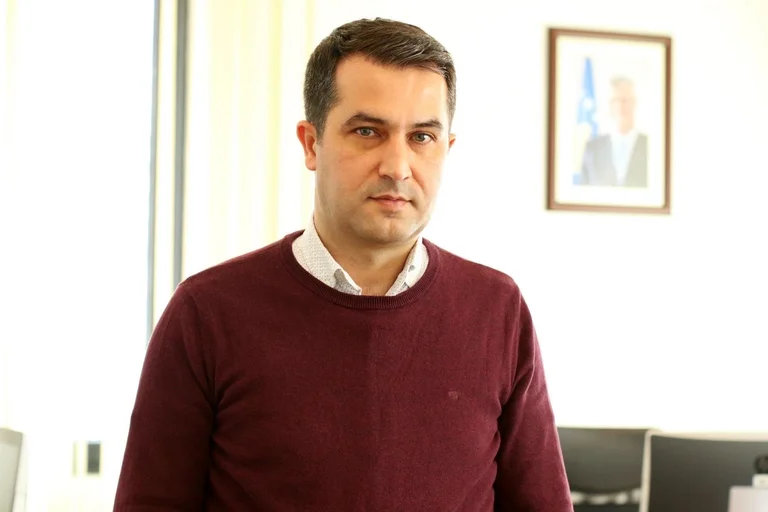
President Thaci's political adviser, Adil Behraj, has responded to the Parliament's deputy head, Arberie Nagavci, who had earlier said someone should explain to President Thaci that he should first respond to Prime Minister Albin Kurti's invitation to consult, to make sure he understands what foreign policy he proposes and implements and then represent the Republic of Kosovo abroad.
Behramaj has ironed out with MP Nagavcin, who through a Facebook status has asked the president to abide by the Constitution, to respond to Kurti's invitation to consult.
Behramaj has said that if a cabinet minister is able to finalise any international agreements, authorisation for signing will have to be obtained by the president, not the prime minister.
He has said Nagavci has not mentioned the key point of the Constitution, which says very clearly that the president is leading foreign policy.
Here is full status:
We are in trouble with the constitutional interpretations of these Vetevendosje. Now even the vice president of the Parliament, Arberie Nagavci, has mentioned several articles, but has forgotten the key, Article 10 of the 84th Constitution, which clearly says the president leads the country's foreign policy.
He's got it right there, close to what he quoted, but we're letting him out of sight!
Vice President knows that within the Government is the Ministry of Foreign Affairs. Well, the ministry has an implementing role. Even the highest diplomatic level, ambassadors and general councils, I believe yesterday you have been able to learn from the provision of MPJ minister with the appointment of “proposal”, because as foreign policy leader only the president appoints and downloads.
Even not to forget that this too is very important: if a government minister manages to finalise any international agreement, the authorisation for signing will have to be obtained by the president, not the prime minister.
While, at Article 7 of the Constitution, it is also very clear that the president signed international agreements in accordance with the Constitution.
Are we getting this far? So the government implements foreign policy, but does not lead it.
Even last, because you have mentioned that the president of the Republic of Kosovo represents the Republic of Kosovo in and out, but certainly without being too aware of it.
The vice president, among other things, is that in any delegation, in any negotiating team, which is the president, the leader is there alone!