6 minutes ago
The Handling of the Recuperation Bill Even Today
Periskopi(6 years ago)
(6 years ago)Today, it is expected to be voted for the sixth time the Economic Recovery Bill, which would enable citizens to contribute 10 percent of the means from their account to the Kosovo Pension Savings Fund. The vote on this bill has failed by the time, since opposition parties are not supporting this [...]
The vote on this bill has failed for the same time, since opposition parties are not supporting this idea.
Although the session is scheduled for Thursday, by all means this case will be put back to the polls, the opposition parties, The PDK and LVV have been firm to vote against.
So far, the value of tools at the Kosovo Pension Savings Fund has reached over 2 billion euros with about 690 thousand contributions.
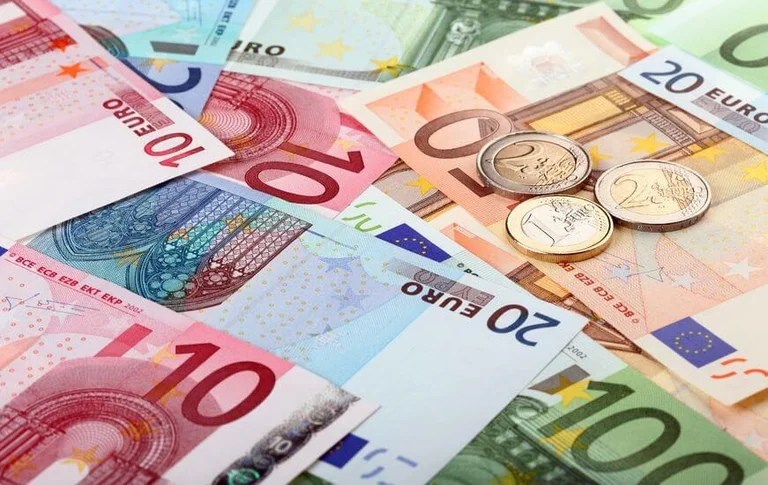
This suggests that the total value that would be able to withdraw from the Fund is about 200m euros -- tools, which, according to Kosovo Government officials, are considered to be stimulating the aggregate demand on the market.
The economic recovery bill, which was adopted in the Government of Kosovo on July 22nd, totals 385m euros. This bill aims to help businesses through fiscal and monetary policies, following losses caused by the coronary pandemic.
Most businesses in Kosovo, nearly all sectors, have reported high financial losses and reduced production capacities from measures taken by the government on March 13th to prevent pandemics.
Business representatives have consistently called on Kosovo authorities to help the economic recovery as soon as possible, as any delay, according to them, would bring bigger problems for their businesses and risk of bankruptcy.
So far there is no exact value of losses that may have been caused by Kosovo's economy in general.
Economic losses that have been recorded so far concern tax and customs revenues.
According to data from the two institutions, the Kosovo Tax Administration and Customs are over 232m euros less budgetary revenues this year, as a result of the pandemic caused by the Coronavirus.
Kosovo has so far implemented the fiscal emergency package, worth about 180m euros. This package, which was meant to ease economic and social problems, was adopted in March, following confirmation of the first cases with corruption, by the government led by former Prime Minister Albin Kurti.
However, some of its measures are being implemented following the arrival of the government led by Prime Minister Avdullah Hoti.