7 minutes ago
Oxygen - extracting factory opens
Periskopi(6 years ago)
(6 years ago)The European Space Agency (ESA) has opened its factory in the Netherlands to extract oxygen from moon dust that may allow future astronauts to breathe and make rocket fuel on the lunar surface. Making oxygen in space for long - term exploration is an essential step, which [...]
Making oxygen in space for long-term exploration is an essential step that would allow astronauts to produce their respiratory air and also produce rocket fuels.
The Dutch factory puts moisture in melted calcium chloride at 950 degrees Celsius and drives an electric current through the fluid. This releases the oxygen locked inside the material and also converts dust into used metal connections.
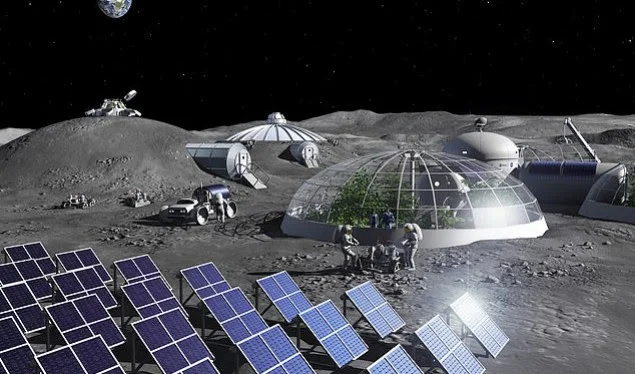
Researchers hope this prototype will lay the foundation for a day for building a self-resistable moon base.
Analyses of real - space rocks reveal that lunar regolitis is made up of oxygen 4050 percent of weight. But this oxygen is linked to other minerals or glass elements.

A form of electrolysis ) passing an electric current through a fluid helps to release oxygen in the form of gas and block it for later use. The silent process is currently carried out in the wandering dust of the moon, designed to repeat the properties of the lunar surface.
Oxygen currently flares up as steam, but future improvements will see conservation facilities added to prototypes.

Prototype was built in the Department of Materials and Electric Components of the European Research and Space Technology Centre, E STEC, based in Noordwick, Holland.
The passage of our facility allows us to focus on the production of oxygen, measuring it with a massive spectrometer, as derived from the regoilit simulant,” said Beth Lomax from Glasgow University.
The “being able to get oxygen from sources found on the moon would undoubtedly be useful for future lunar settlers, both for breathing and local fuel production of the”, he adds.

The method for emission of oxygen was first established by a commercial company in Great Britain ʹ Metalysis, which focuses on converting dust into metal connections for production.

Researchers hope that the success of this initial prototype will allow them to explore both ways of research equally, with the ultimate goal of building a “-Fabric-pilot” that can function steadily on the moon.