6 minutes ago
Island at the end of the world: There Only Permissions

Periskopi(7 years ago)
(7 years ago)Ascension Island is located in the South Atlantic halfway between Africa and Brazil, some 1,000 miles [1,600 km] off the coast of Africa, and it is full of wonders. There are officially no people on the island, and the British authorities governing this remote island do not allow anyone to live there. 800 people live there in the category [...]
There are officially no people on the island, and the British authorities governing this remote island do not allow anyone to live there. 800 people (British states) live there in the category of temporary visitors.
Anyone who wants to visit her should have written permission of the Queen's representative, the administrator.
The airport, whose tracks were once longer in the world and destined for Space Shuttle, is operated by the American Air Force, which gives Great Britain limited access. NASA has followed Apollo missions from the island, and the European Space Agency monitors missile launch.
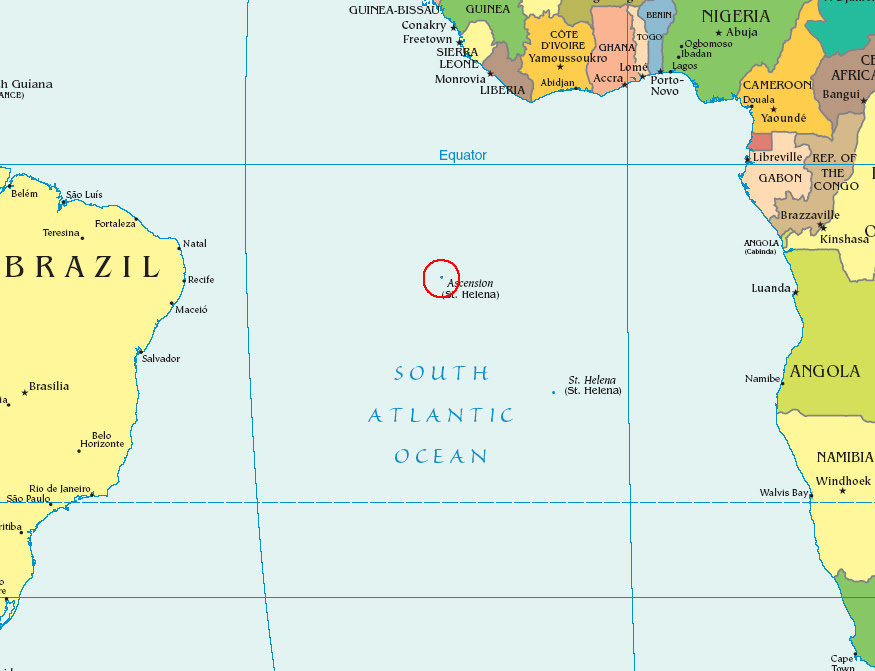
It was a strategic and connected point to Great Britain twice a week through the Royal Air Force flights from London to the island, and to the Falkland Islands, used by civilians and armies.
Two years ago, the island was visited by 1,454 tourists who had to pay a 20-minute ticket and obtain permission from the tough administrator.
Because of the destruction of the runway, these flights stopped, and only the smallest planes used the runway. Private vests stop there for just one or two days. It can also be reached by the Royal Mail ship from St. Helena, which moves from Cape Town and takes 10 days to reach, and the island must be waited for between one and three weeks to return, writes the Financial Times.
The island's landscape is dominated by a variety of satellite antennas and dishes, but no one wants to reveal their mystery.
The strange natural environment is the perfect setting for all these unusual things. The island is ruled by sooty terns, who are known for their echoing voices. The largest animal on the island is the crab.
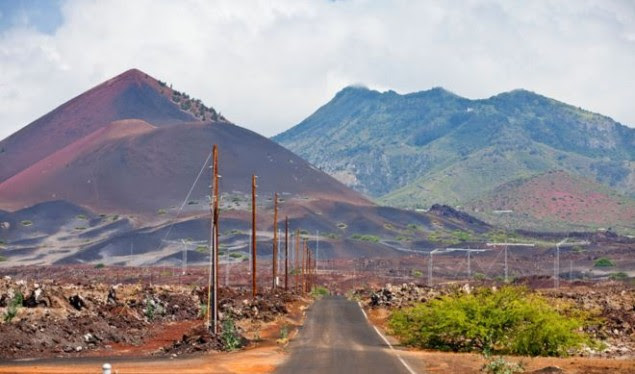
The island is at the top of an underwater volcano created millions of years ago. The surface appears to have erupted recently, and for the most part, it is hot and dry as a desert.
Until the arrival of the British in 1815, the island was uninhabited, although sailors who visited it in 1726 discovered a tent and a diary. Leenndert Hasenbosch had been deported to the island's shores because he was gay.
He writes in the diary that he was desperate for water and supplies, and eventually began to drink the blood of turtles, sea and its urine. His epilogue remains mysterious and no skeleton has ever been discovered.
80 years later, when the British sent an army to the island to weaken French efforts to release Napoleon, who was deported to the nearby island of St. Helena, they could not find water.
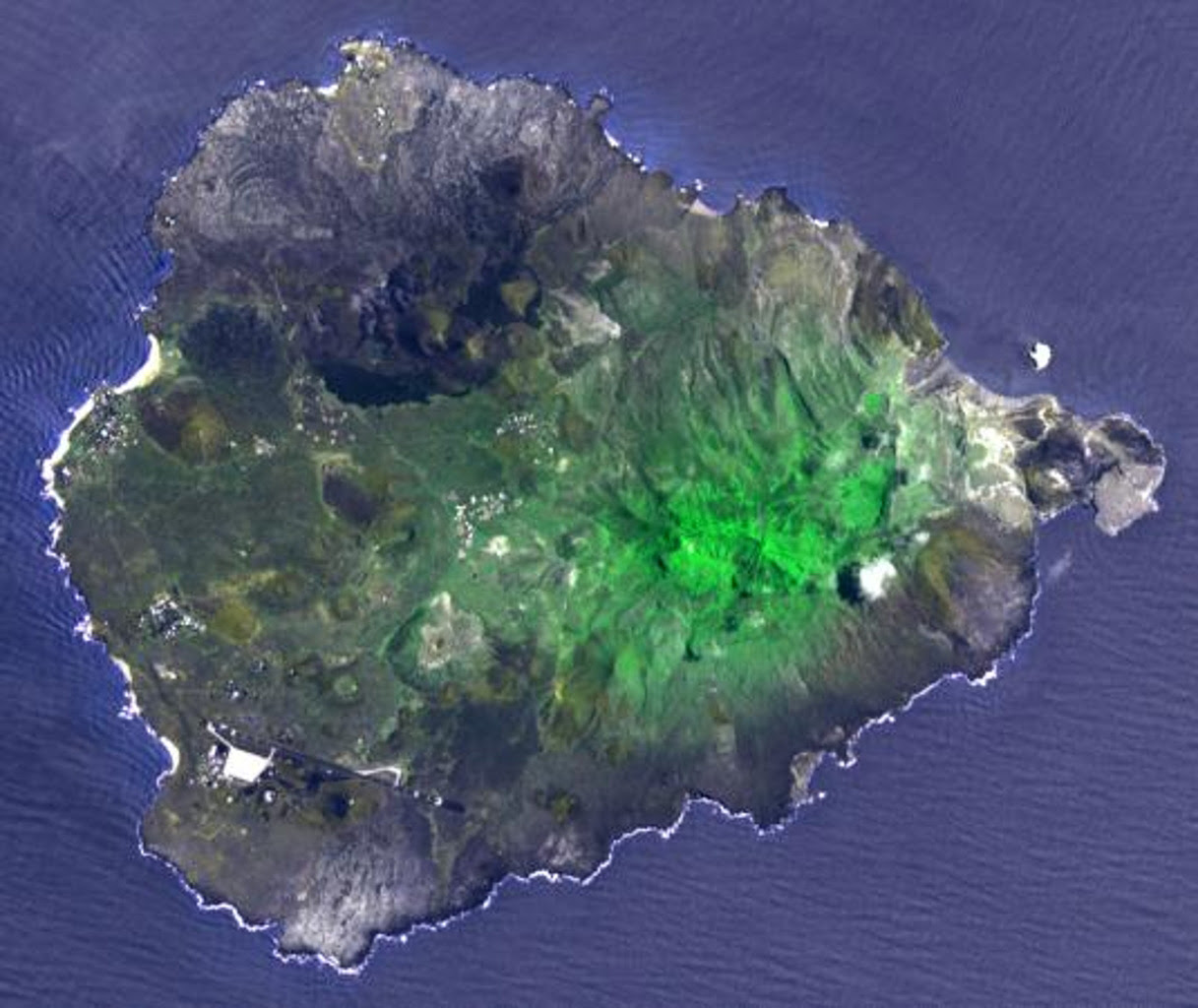
Nothing grows near the coast and almost no tree”, Charles Darwin once wrote.
With Joseph Hooker, Darwin thought to make the island suitable for people. Hooker visited it in 1843, and then devised a tree planting plan along the 859m summit, the highest point on the island.
The leaves would collect and store moisture from the warm winds that blow and drop slightly on the ground, thus providing enough moisture for plants. He planned to create pasture for livestock and land suitable for vegetable growth, reports the BBC.
His plan was very successful and can be seen today in the forest where fig trees and ginger grow. The green mountain is the true oasis and is known precisely for species that do not originate from the island but were brought from other countries.
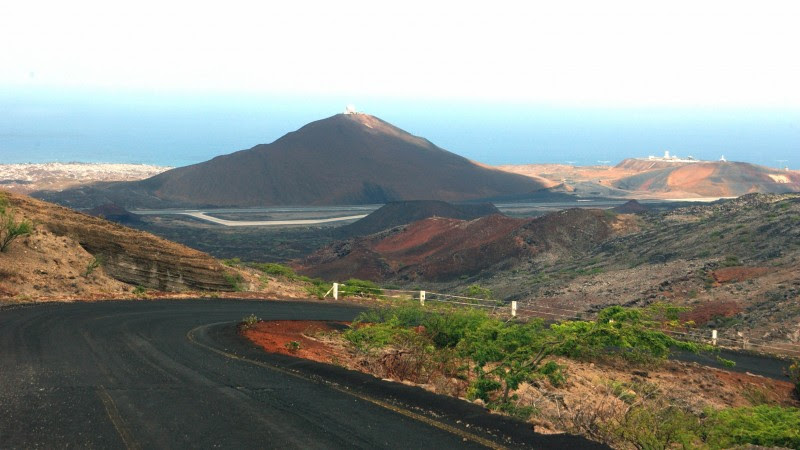
According to today's standards, many scientists would say it's a disaster. On the surface, it looks like a tropical paradise, is wet, and has many plants. But there are no characteristics of other tropical mountains, all that were here slowly disappear”, says biologist Sam Weber.
I think we'll never be able to call the Green Mountain a fully functional ecosystem, at least not now, because it takes thousands of years. Now it's really a mess of invading species that have taken over the mountain, reducing its value to the traveler”, he adds.
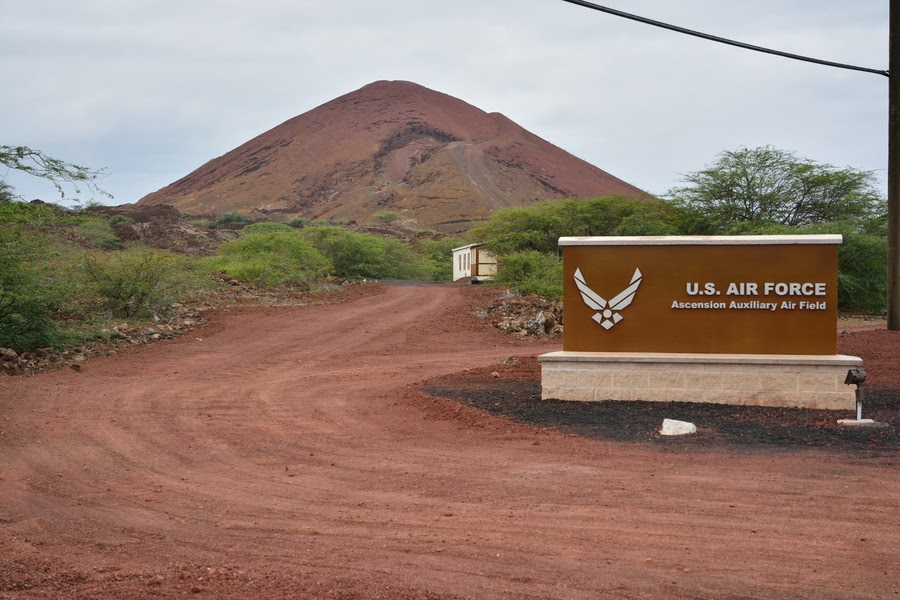
The island is known as Elliots Path, founded in 1840, while the mountain was still naked to allow for views from all over the island. There are certain asphalts in the city, but there is no noise, nothing is heard.
During the year, army dominates the island, and in the spring crabs descend from the Green Mountain to mate. They lay their eggs on the shores of the island a distant treasure of wildlife.