3 minutes ago
Early elections cost Kosovo millions of euros

Periskopi(7 years ago)
(7 years ago)Since 2010, no Kosovo government has managed to complete the four-year constitutional mandate, which has imposed the organisation of early elections. In addition to the political effects, frequent going to the elections, according to nongovernmental organisations, is also costing Kosovo's budget at the unplanned expense of millions of euros. This year, in Kosovo [...]
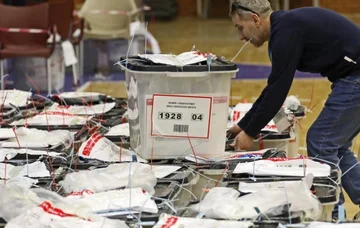
Since 2010, no Kosovo government has managed to complete the four-year constitutional mandate, which has imposed the organisation of early elections. In addition to the political effects, frequent going to the elections, according to nongovernmental organisations, is also costing Kosovo's budget at the unplanned expense of millions of euros.
This year, extraordinary local elections in four northern municipalities were organised in Kosovo, following the resignations of four mayors of those municipalities. For organising and maintaining these elections, the Central Election Commission has confirmed that more than 471 thousand euros had been spent.
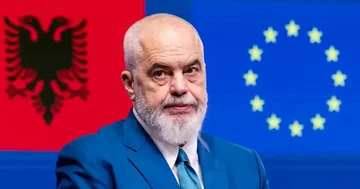
Currently, Kosovo is not in the process of elections, but is on the verge of early parliamentary elections, following Prime Minister Ramush Haradinaj's resignation. Given the expressed positions, political parties have been declared to prefer early elections and are waiting for Kosovo's president to take necessary constitutional and legal actions.
According to the first estimates, these elections, compared to the amount spent during the 2017 elections, could cost Kosovo between 4m and 5m euros.
Medjide Demollie-Niman, director of the FOL Movement, told Radio Free Europe that the cost which can be used for holding elections is about 5m euros, which, according to her, is not at all small.
“Nors are yet to be known correctly whether to have elections or not, I can say that the past three governments have failed to complete their mandate until the end, making the country over the last 10 years go into extraordinary elections”.
The CEC's data on past elections has been spent around 5m euros, which we think is not a small figure, much less when it is not predicted in this year's budget. How much will be spent on these elections if kept remains to be seen”, Demoli-Niman said.
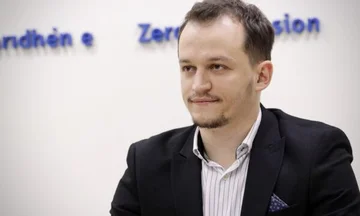
On the other hand, Valmir Elez, spokesperson for the Kosovo Central Election Commission, tells Radio Free Europe that 2019 is not an election year and that there are no scheduled means for holding elections in this year's budget.
“The CEC could start preparing for the upcoming elections only after they are announced by the president, and that no planning has been made in this direction yet. The year 2019 is not an election year, which means there are no scheduled means for elections for”, Elesi said.
“If there will be elections, because we're only talking about whether there will be extraordinary elections, relying on the practices of more or less similar situations, the CEC makes budgetary application in Government for financial means to hold elections. For example, this is how we have recently dealt with the extraordinary elections for mayors of four municipalities, which were held on May 19 of this year”, Elez says./
He also said that for the June 11th 2017 parliamentary elections, the cost was 4m euros and in case of holding elections this year, the cost is expected to be the same.
Meanwhile, Artan Murati from the Kosovo Democratic Institute tells Radio Free Europe that holding early elections would cause a problem in terms of spending.
“In view of the economic position of the Republic of Kosovo, one of the poorest countries in Europe, I consider that these (elections) undoubtedly present trouble and financial and in terms of expenditures”.
If we make an analogy with the previous elections, it only means 2017 Kosovo has spent about 10m euros on elections. Having had extraordinary elections for the Parliament, there have been local elections in two rounds, even in Istog has been the third round. This is a huge amount of money”, Murati says.
According to Murati, if such a amount of money were used for other issues, with particular emphasis on investment or capital projects, this would be more welcome than “paid to political games of subjects making with each other”, he says.
During 2017, according to CEC data, Kosovo had spent over 11m euros organising local and parliamentary elections.