a minute ago
Kosovo Government Reports Worse With UNMIK

Periskopi(7 years ago)
(7 years ago)The arrest of Russian citizens of the United Nations Mission in Kosovo (UNMIK) by Kosovo authorities has exacerbated relations between official Pristina and the UNMIK mission. Mikhail Krasnoschenkov, was detained by Kosovo Police during an action against smuggling and organised crime in the country's north. He was later released because he had [...]
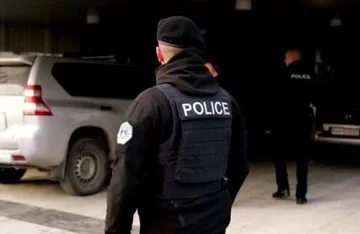
Mikhail Krasnoschenkov, was detained by Kosovo Police during an action against smuggling and organised crime in the country's north. He was later released because he had diplomatic immunity, despite allegations the president and prime minister of Kosovo had been talking about, that Russian official UNMIK, was camouflaged under UNMIK's clothing in opposition to the legal actions of Kosovo institutions.
Although he was released, the Government of Kosovo had declared him an unwanted person, “non-grata” respectively.
Media in Belgrade have reported a meeting between UNMIK chief Zahir Tanin and Serbia President Aleksandar Vuciq, over the arrest case of Russian nationals, employee UNMIK. The UNMIK administration has not provided details about this meeting.
But immediate reactions to Kosovo institutions have been immediate.
In a post on the social frontbook network, Kosovo Foreign Affairs Minister Jtlir Zyberaj's political adviser to discuss these issues.
He has also written that Kosovo institutions will not co-operate with UNMIK, as this mission, as he says, is creating obstacles to rule of law and order.
“UNMIK has become the main supporter of organised crime in northern Kosovo. It is its office in the north that co-operates with criminals and groups aiming to undermine Kosovo's national security and undermine rule and rule of law in Kosovo. Last week's events and how U n NMIC handles this case in the best way”, wrote Zyberaj on Facebook.
Zyberaj has written that Kosovo Deputy Prime Minister and Foreign Minister Behgjet Pacolli has turned to UN Secretary General and Security Council member states to seek responsibility as such as this mission acts against Kosovo's interests and national security and in the function of crime and smuggling.
Former Kosovo Ambassador to Vienna and Sydney Sabri Kicmari told Radio Europe free of charge that reports between Kosovo and the UNMIK Mission are delicate and completely unclear, but that according to him, both subjects must negotiate and meet each other and overcome such situations.
“UNMIK does not have the executive power that it has had right after the end of the war in Kosovo, but some UNMIK officials do not seem to have understood that political and social life in Kosovo has flowed in a clear direction of independence, so I think that our state officials, without emotion and coolness, sit at the negotiating table to clarify UNMIK officials, virtually they are welcome to Kosovo until they interfere in Kosovo's subjectivity of<1>, Kicmari points out.
Kosovo Prime Minister Ramush Haradinaj and his cabinet officials have consistently declared that the Kosovo government no longer recognises UNMIK, which in Kosovo functions on the basis of Security Council Resolution 1244, which had been adopted since June 1999.
But, the eventual changes to UNMIK's status, according to Kicmar, constitute the decision of all countries with veto rights to the UN Security Council, including Russia and China, both states which do not recognise Kosovo's independence.
“Kosovo should be a citizen that these two states can apply veto rights at any moment. So, Kosovo as such does not have any executive powers to get the UNMIK mission out of here, and for this, it is better that our diplomacy is trying to talk with UNMIK officials that they have this kind of symbolic presence here, to take advantage of interethnic relations rather than become subject to conflicts, as was the case with the Russian official in northern Kosovo, so that (UNMIK) are here to help them get through the situation and not to cause problems in such situations” says Kmaric.
Mission UNMIK acts under UN Resolution 1244, which has been compromise between Western countries and Russia to end the Kosovo conflict. This mission is neutral towards Kosovo status. U n NMIC, after Kosovo's declaration of independence in February 2008, has borne all competencies to local institutions.