13 minutes ago
There will be civil servants who work at the disappearing ministries

Periskopi(7 years ago)
(7 years ago)Although the meetings of the working groups of the two parties aiming to rule with the country, the Vetevendosje Movement and the LDK are continuing, one thing is already clear. These two parties have agreed to half the number of ministries, down from 21 currently to 12. Although such a step has been first welcomed by the opinion [...]
Although the meetings of the working groups of the two parties aiming to rule with the country, the Vetevendosje Movement and the LDK are continuing, one thing is already clear. These two parties have agreed to half the number of ministries, down from 21 currently to 12.
Even though such a step has been first welcomed by broad opinion, it could bring reduction in the number of civil servants in Kosovo institutions.
Prime Minister Albin Kurti's candidate has often been confronted with this question, and somewhat like to relax public institutions' employees has declared there will be no reduction of their number, but that the same will be moved to the respective ministries, even more engagement.
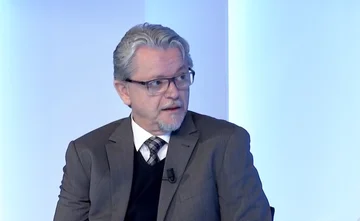
But, Artan Demhay from “Get up, has expressed scepticism if civil servants can have the comfort of sleeping in their jobs.
He has stressed how the future government has no legal right to fire, while the eventual establishment of any suit on the part of employees would cost a lot of state budget.
“I've consistently raised concerns about this merger of ministries, since it's not just a problem to melt the tracts, but the main concern is what will be done with employees who are currently working in these ministries. These workers have contracts with the current ministries, so this will be a challenge and burden for the government. If they leave work, they may sue the government, and in turn there may be high financial costs”, Demhasaj said.
But Artan Demhay, you don't see that as a solution. Demhasa says even moving employees from one ministry to another would have negative consequences. According to him, it would result in a staff explosion.
Even if civil servants are transported to a ministry, I don't think that's the right option, since it would be a great match”, Demhasaj has indicated.
Reduced number of ministries has even criticised the institute EPIK, which considers it to be negative consequences in terms of European reforms for the country.
While reducing the number of ministries is welcomed with open hands and uncontinent enthusiasm, we should underline that the separation of the integration process from the prime minister will be a strategic mistake, which will create preconditions for slowing European reforms”, the communiqué issued by EPI reported on Thursday.
We remember that the number of employees in the public sector is about 82,000 people. The average public sector salary, according to the latest data from the Kosovo Statistics Agency, in 2018 was 573 euros. /Periscopi/