3 minutes ago
When will the formation of new institutions begin?

Periskopi(7 years ago)
(7 years ago)Political parties are awaiting the Certificate of final results from the CEC, which then would pave the way for the formation of new institutions. The recognition of currentity values the need for the formation of the Assembly and Government, since, according to them, procrastinating this process amounts to harming Kosovo citizens. The Vetevendosje Movement and the Democratic League of Kosovo [...]
The Vetevendosje movement and the Democratic League of Kosovo are constantly holding meetings to harmonise their programmes, as they aim to achieve a governing coalition.
But for the signing of a final agreement, they are awaiting the Certificate of final results from the CEC, the institution, which after the 6 October elections has decided to recount nearly half the deployments due to irregularities it has faced.
Constitutional law professor Mazlum Baraliu says that the CEC is currently stalling the announcement of final results.
He says the formation of institutions should not be delayed, but that depends on the work of the CEC and the dynamic harmonisation of programmes of the two winning political subjects.
So it depends on the work of the CEC and the dynamic of co-ordination, harmonisation of programmes of the two winning political subjects so the process can be cut. It would be good to complete all talk about compliance, harmonisation of programmes, a joint programme with a co-governance platform of these two subjects so that the procrastination process of the constitution, government formation and prime minister's appointment cannot be continued. Therefore, it is up to the CEC, the political parties that after the transition, after confirmation of the results, will drag the process on with their complaints, because they have the right to complain both on the electoral panel and second-degree in the” judicial institutions, Baraliu says.
Baraliu estimates that all complaints in the sense of complaints have been exhausted and there is no reason for the process to be delayed.
Each procrastination has major consequences for citizens, there are consequences for future governance, because the first of the work to be in the new Parliament and the new government, should be approval, or preparation and adoption of the Kosovo budget law in the coming year. Here is a deadlock in deadlines because we're at the end of the fiscal year and some of the payments from certain processes are interrupted at the end of November and early December, so it's time for no one to drag on the process, not to contribute delays because they're at the expense of everyone and for the benefit of anybody, he says.
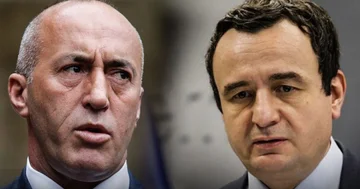
Meanwhile, the most voted man in the 6 November elections, Albin Kurti, who intends to be chief executive, in an interview for Alsat has declared he expects to assume the prime minister's post in November.
But analyst Rasim Alija says the real prospects are for November to be only about harmonising programmes between the two parties and declaring final results by the CEC.
Forming the new government, he sees it in December.
The greatest <x0.>Gages that are to become the new government and pre-constitution of the Parliament, to then pave the way for the new government, may be the beginning of December, not during November, not because we see that we still have no final results declared by the CEC, by the body that managed the elections. Add here the process of complaints, recountings on the part of the CEC, and add here the next understanding of the programme between the Democratic League and the Vetevendosje Movement, add here also the other element that is not rarely, very often, during the framework of the Parliament, and during the formation of the new government, other deals have been highlighted, I don't expect us to have a new government by the beginning of December, he says.
After the certificate of results from the CEC, the legal deadline to hold the first constitutional meeting in the Assembly is 30 days after the Certificate Day, and within this period, Constituent Assembly hearings should be held, where confirmation of the mandates and taking the oath.
The constitution says that session should be called by the president of the country, but if he cannot, he can do it himself, his seventh legislature.
At that session, the election of the Speaker of the Parliament may also be in order, if the ruling coalition is agreed on, and his election and vice-presidents is done with the majority of votes of MPs.
In Article 95, the Constitution says that following the president's consultation with the largest party or coalition that has the majority of votes from the last elections, it would have to be proposed to the country's president as the candidate for mandate and that presidential candidate to mandate, the same has the legal deadline within 15 days for the Parliament to offer the full composition of the government cabinet.
If that is not achieved by the first mandate appointed, then the president is due in the next 10 days to mandate another candidate for prime minister, and if he fails within 60 days to make a facility that is accepted in the Assembly, then the law says he must go to the new elections.