an hour ago
International media pay tribute to Haradinaj: His salary higher than teachers, doctors in Kosovo

Periskopi(7 years ago)
(7 years ago)Reuters has dedicated an article to the Kosovo education strike, in which it has said Prime Minister Haradinaj's salary is nearly highest in the country, while educators, doctors and miners continue to have low salaries. Education strike that has already started two weeks in our country, with the request for [...]
Reuters has dedicated an article to the Kosovo education strike, in which it has said Prime Minister Haradinaj's salary is nearly highest in the country, while educators, doctors and miners continue to have low salaries.
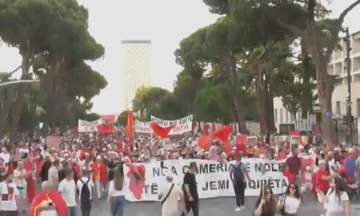
The education strike that has already started two weeks in our country, with the demand for salary increases of about 30%, apparently also received international media attention.
About 500,000 Kosovo students and students are staying at home for two weeks now. Doctors and miners have also started strike for higher wages, and other public sector employees are threatening to do so, so Reuters begins.
The international news agency, also mentions Kosovo Prime Minister Ramush Haradinaj's salary, which receives a total of 2950 euros a month, broadcasts Metro newspaper.
The first step government officials took is to raise salaries for themselves and their staff so that they can leave us in a miserable state, Cadire Prenqi, a teacher at one of the schools in the capital, has said.
If the strikers' demands are met, the salary of this teacher would increase from 478 euros to 621 euros per month.
Kosovo is one of the poorest countries in Europe, where one in three is unemployed. The average public sector salary is 520 euros per month, the article writes away.
Economist Naim Gashi has said the strikes mainly reflect dissatisfaction over the wage dispute.
There are times when someone who washes dishes at a public institution pays more than one teacher, Gashi said.
Ruud Wemeluen, representative of the International Monetary Fund in Kosovo, has said that the 30% wage hike would be a huge burden to the economy, for which the IMF expects to increase 4.2 per cent this year.
An increase of 10 percent of salaries for teachers would cost about 13m to 14m euros, or about 0.2 percent of GDP. The 30 per cent increase will cost three times that much, he told Reuters.
Promoted mainly by state-funded investments, plus remittances from citizens working outside Kosovo, greater growth is not expected to increase even living standards for Kosovars.
Reuters concludes the article, stating that corruption and political instability have kept foreign investors away from Kosovo since the country declared independence on February 17th 2008. /Periscopi