17 hours ago
The Consequences of Fever

Periskopi(8 years ago)
(8 years ago)Major changes in temperatures mostly affect chronic patients and the elderly. In chronic patients, symptoms are likely to increase, so those with rheumatoid arthritis will feel stronger pain and those with asthma will have greater respiratory problems. In the event of changes [...]
In chronic patients, symptoms are likely to increase, so those with rheumatoid arthritis will feel stronger pain and those with asthma will have greater respiratory problems.
In the event of unexpected changes in time, cardiac patients must be especially careful.
Because of the sudden drop in temperature of people with pressure and heart problems, they should not be exposed to excessive effort or hard physical work and should always receive therapy.
In the event of sudden temperature changes, the number of acute heart attacks also increases. Neither are those who suffer from frequent migraines and headaches and diabetes.
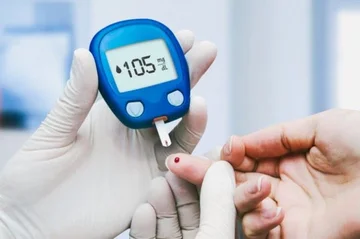
As the temperature decreases, blood becomes thicker and is harder to monitor changes in blood sugar levels. Mixed feelings, dizziness, headaches, fatigue, and general weakness are accompanied by unexpected changes in time.
Experts speculate that the reason for this is a long time spent in closed environments, so the ability to aclimate the body has diminished.